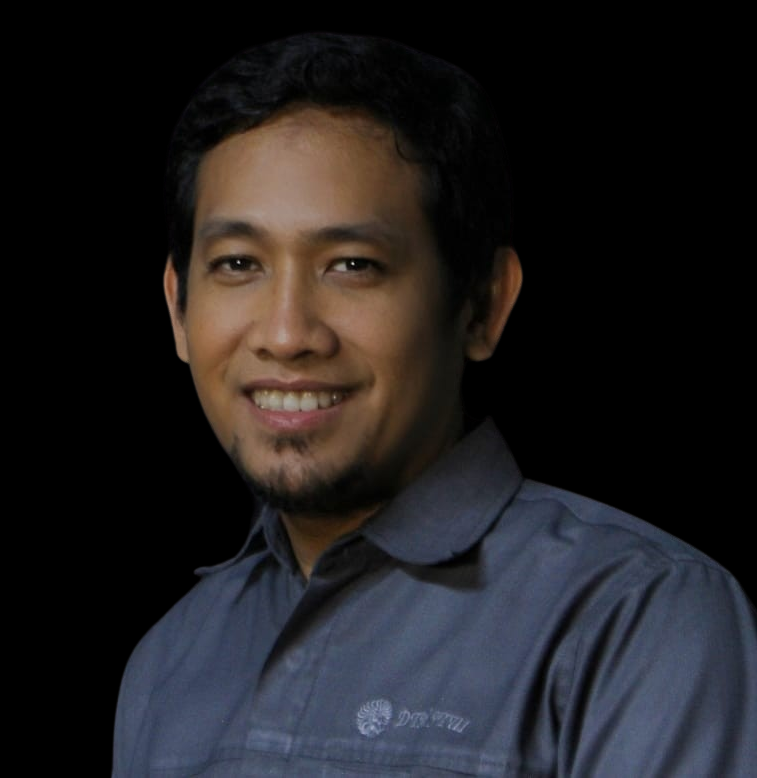
Human Resources
Faculty and Support Staff of Naval Architecture & Marine Engineering UI
The Naval Architecture & Marine Engineering Study Program at UI is supported by home-base lecturers, permanent lecturers of the Department, and support staff who play a role in academic activities, research, and day-to-day laboratory operations.
Faculty
Naval Architecture Home-base Lecturers
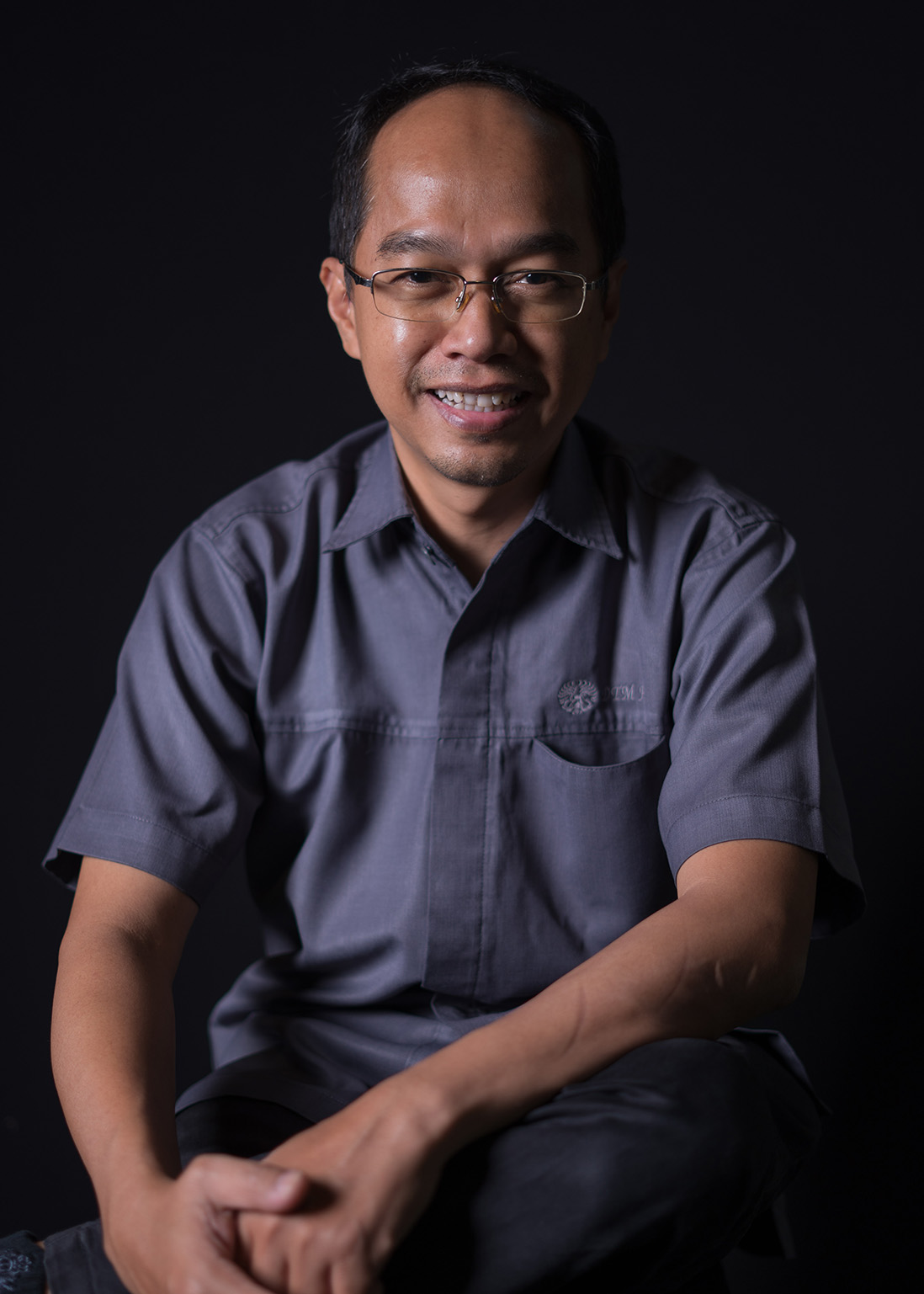
Dr. Agus Sunjarianto Pamitran, S.T., M.Eng.
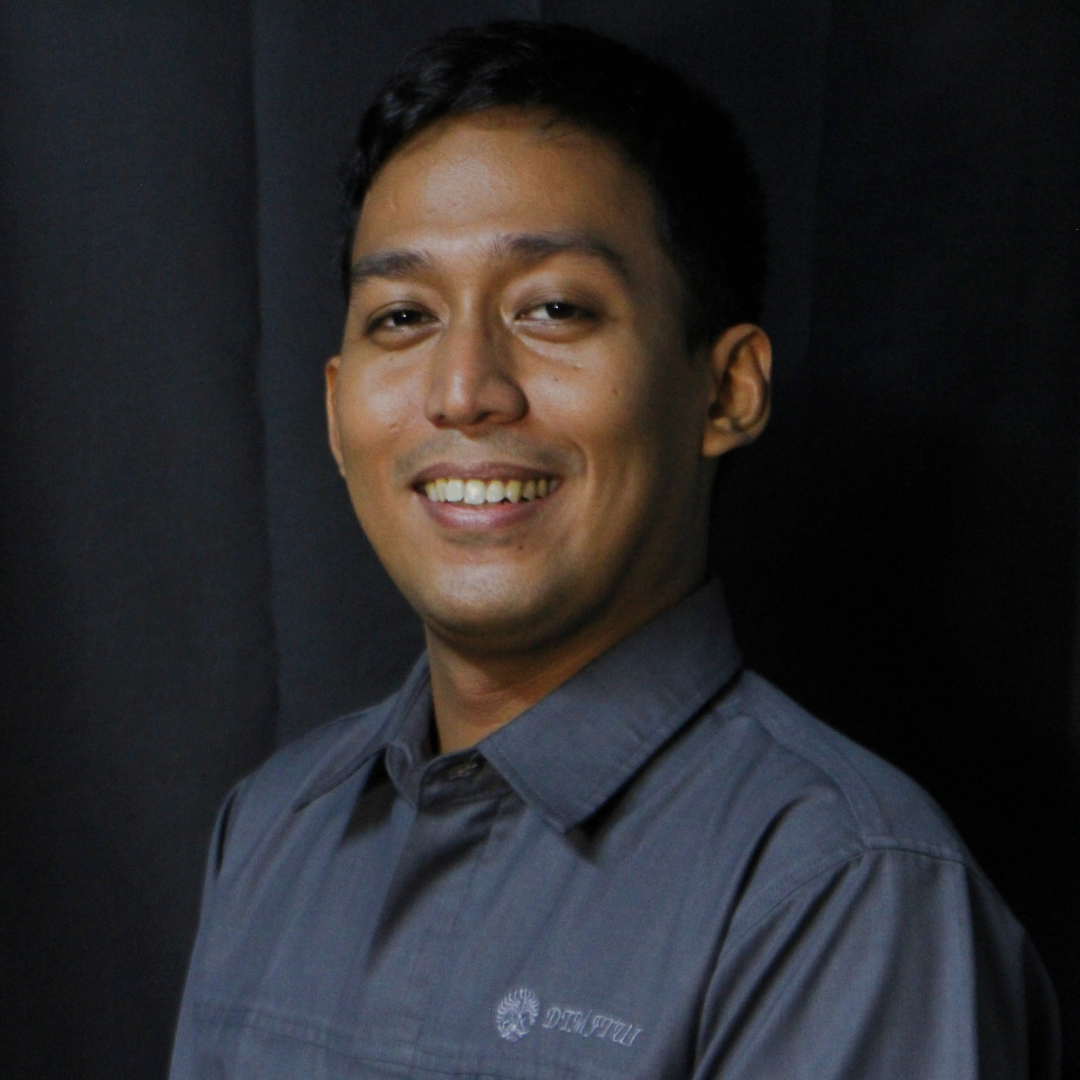
Dr. Eng. Dimas Angga Fakhri Muzhoffar, S.T., B.Eng., M.Eng.
Dr.-Ing. Firman Ady Nugroho, S.T., M.T.
Profile details not yet available.
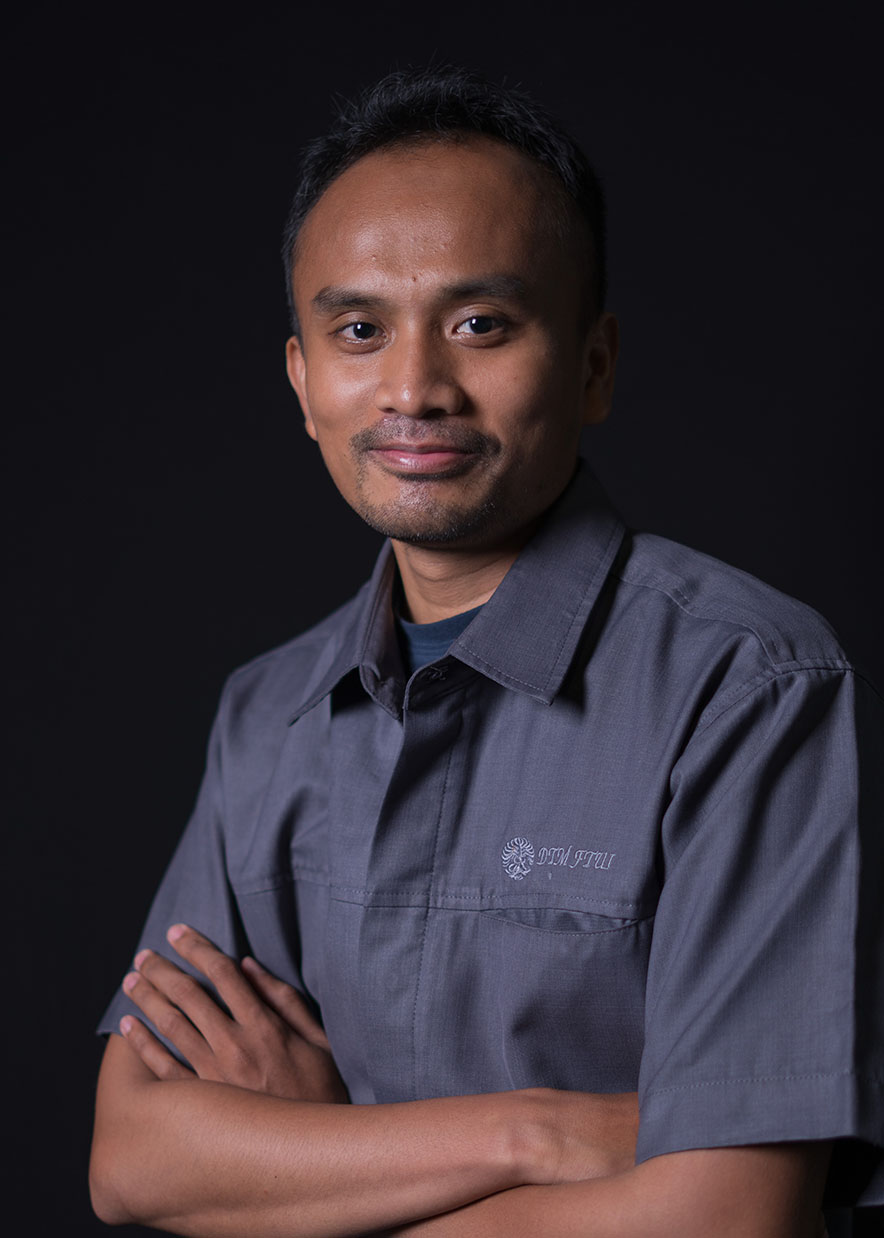
Dr.Eng. Gerry Liston Putra S.T., M.T.
Dr. Eng. Gunawan, S.T., M.T.
Profile details not yet available.
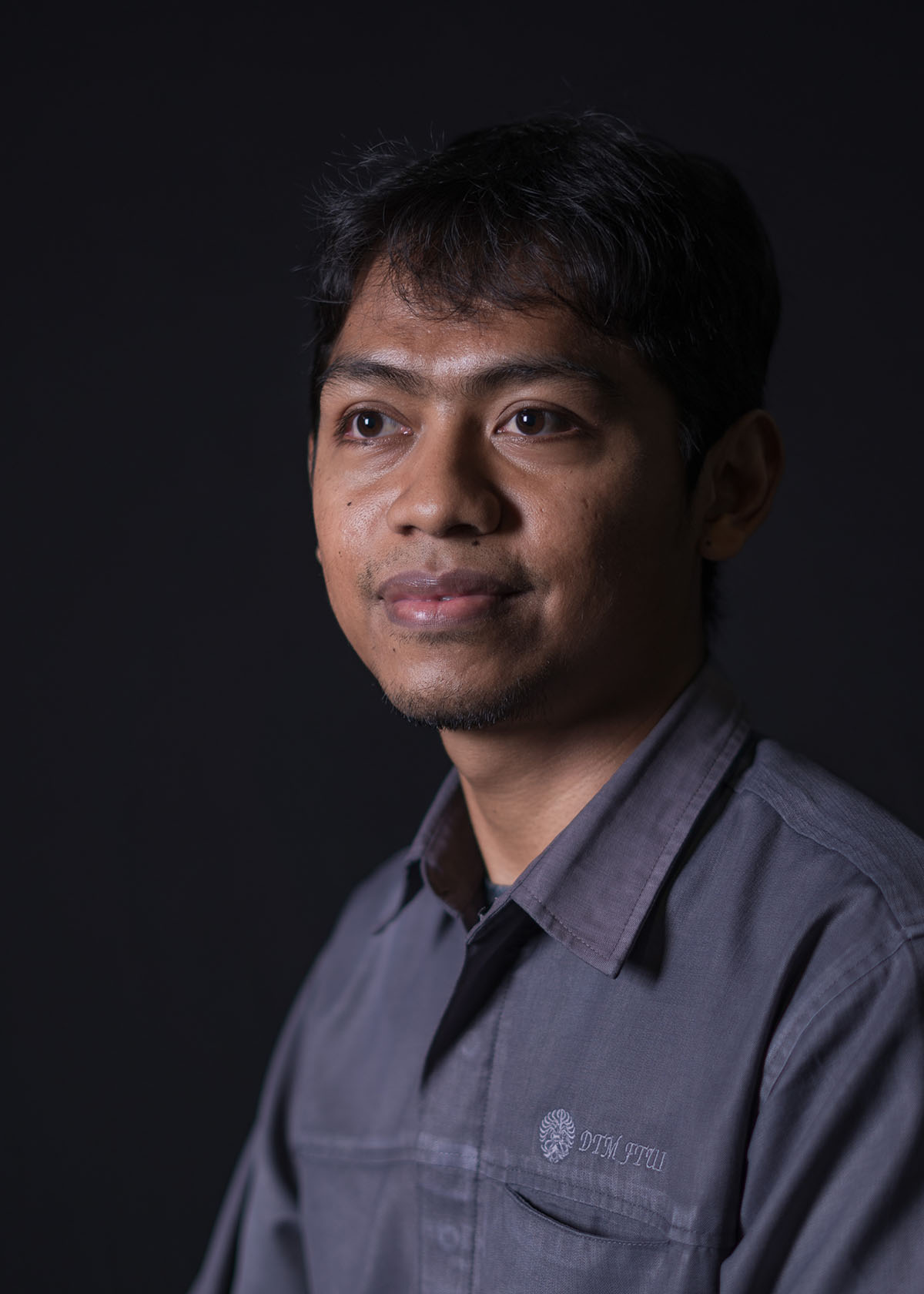
Kurniawan Teguh Waskito, S.T., M.T., Ph.D.
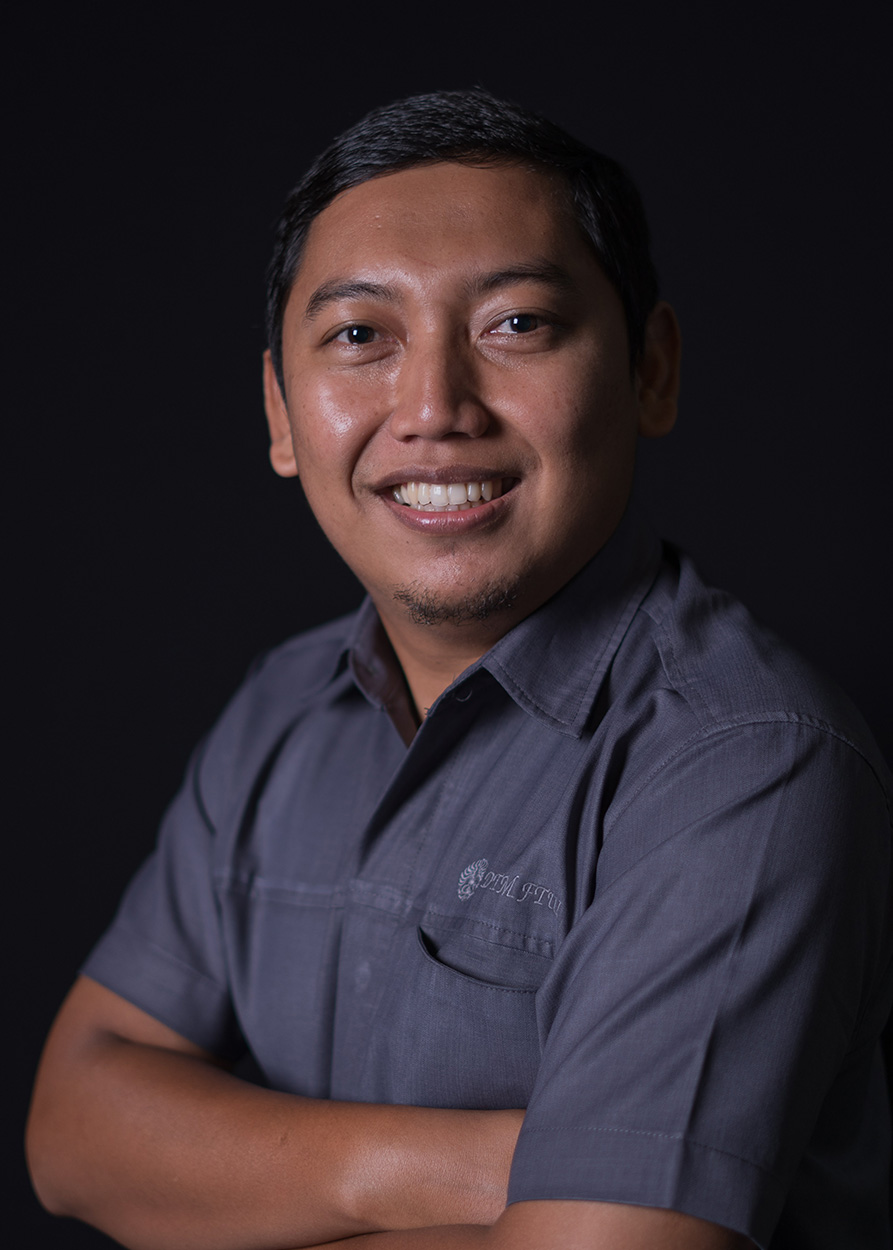
Dr. Eng. Ir. Muhammad Arif Budiyanto, S.T., M.T., IPM
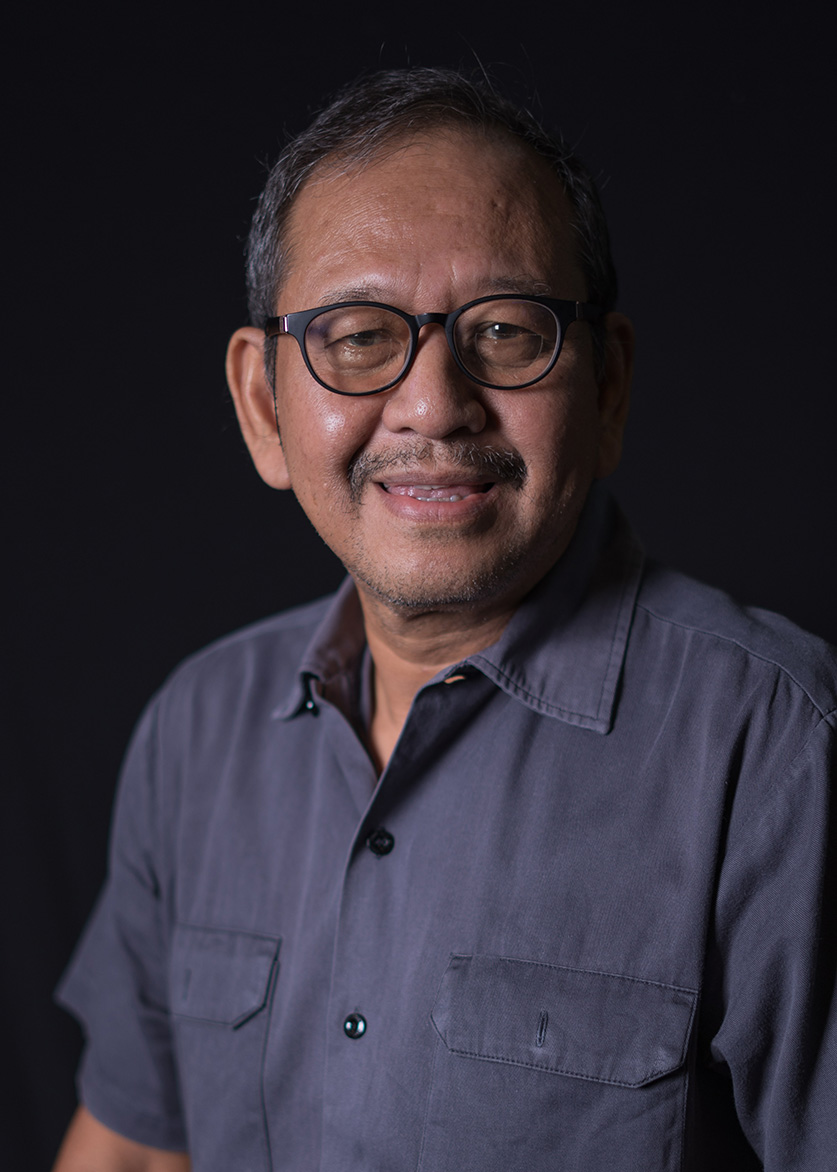
Prof. Dr. Ir. Yanuar, M.Eng.,M.Sc
Prof. Dr. Ir. Sunaryo, CEng. MRINA FIMarEST IPU
Emeritus
Faculty
Department Permanent Lecturers
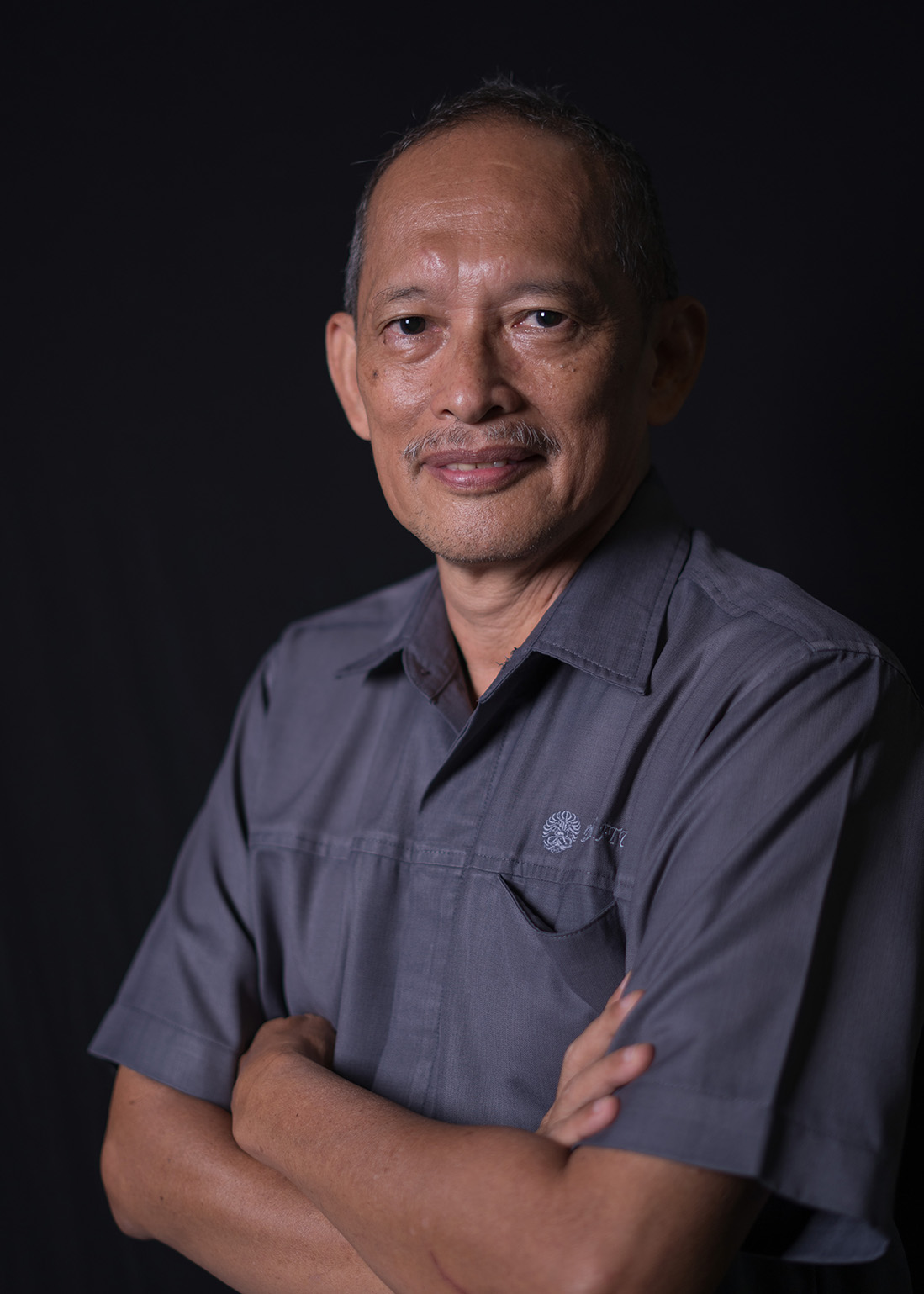
Prof. Dr. Ir. Adi Surjosatyo, M.Eng.
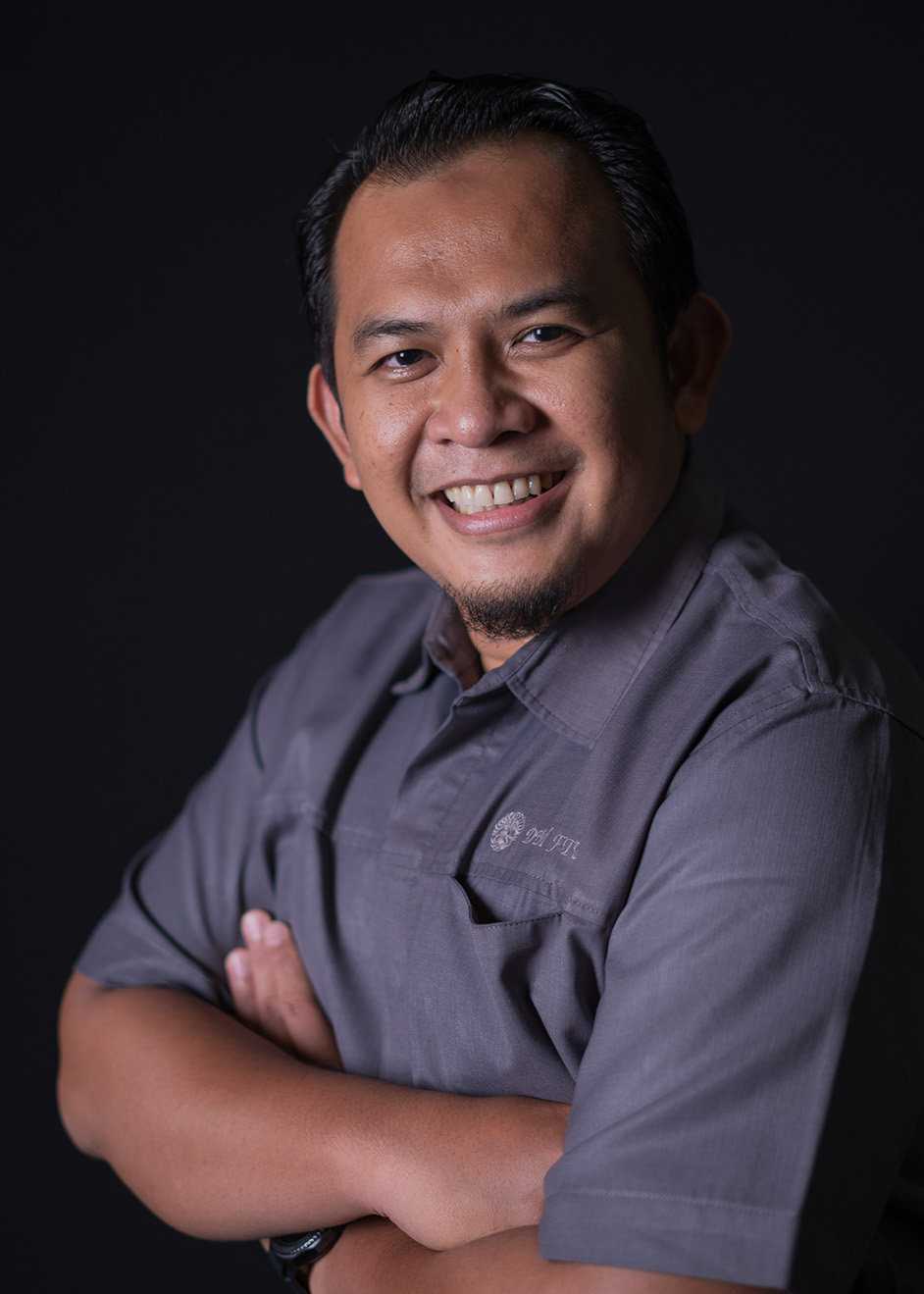
Agung Shamsuddin Saragih, S.T., MS.Eng, PhD.
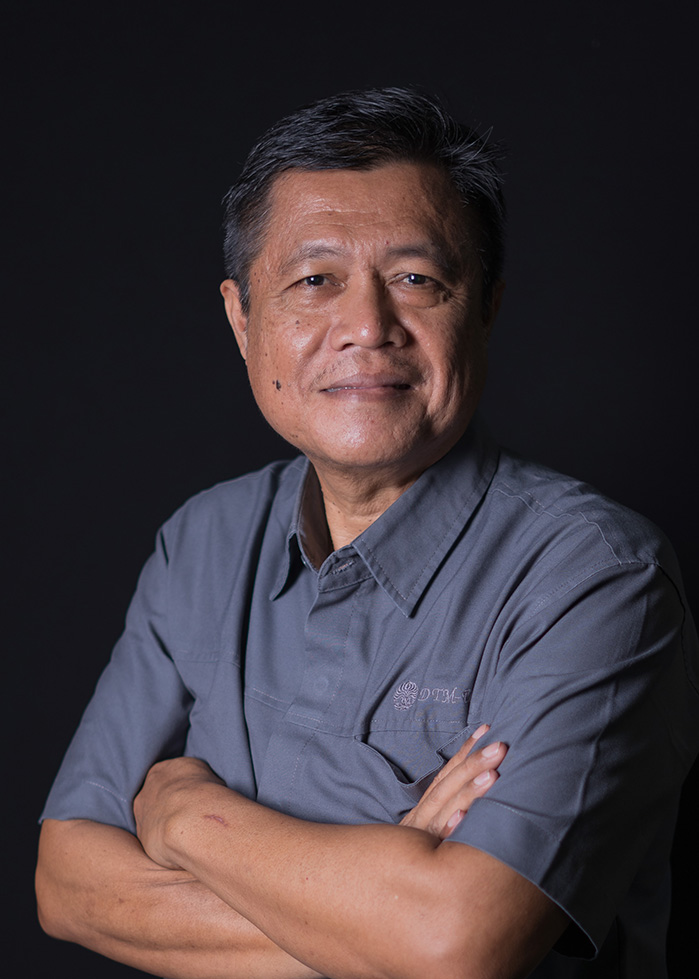
Prof. Dr. Ir. Ahmad Indra Siswantara
Ahmad Syihan Auzani, S.T., M.T., Ph.D.
Profile details not yet available.
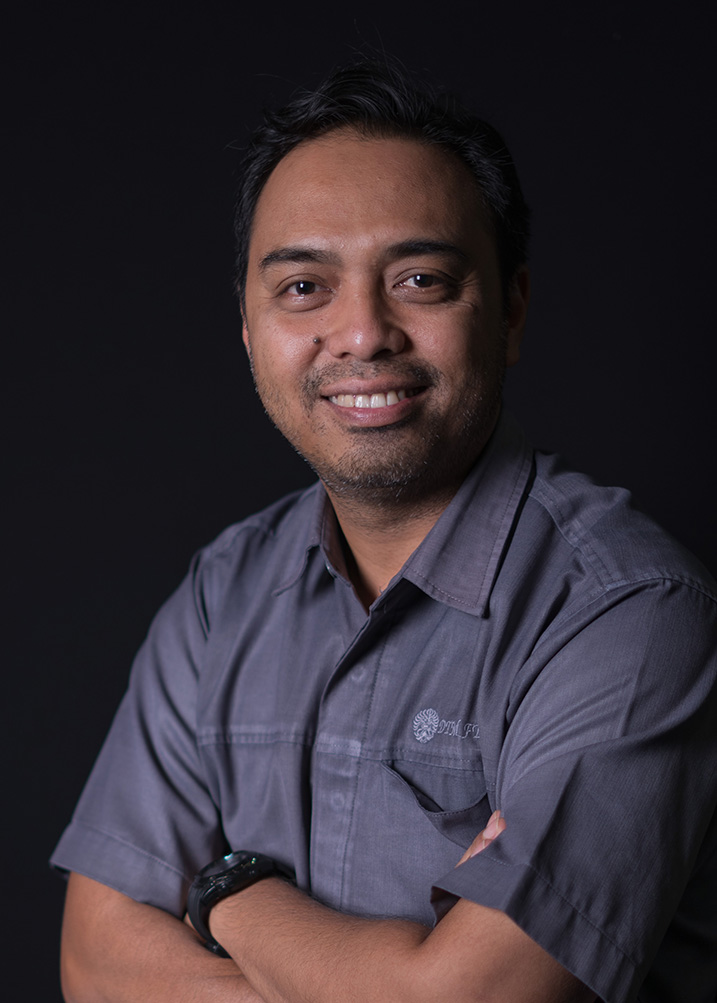
Ardiyansyah, S.T., M.Eng., Ph.D.
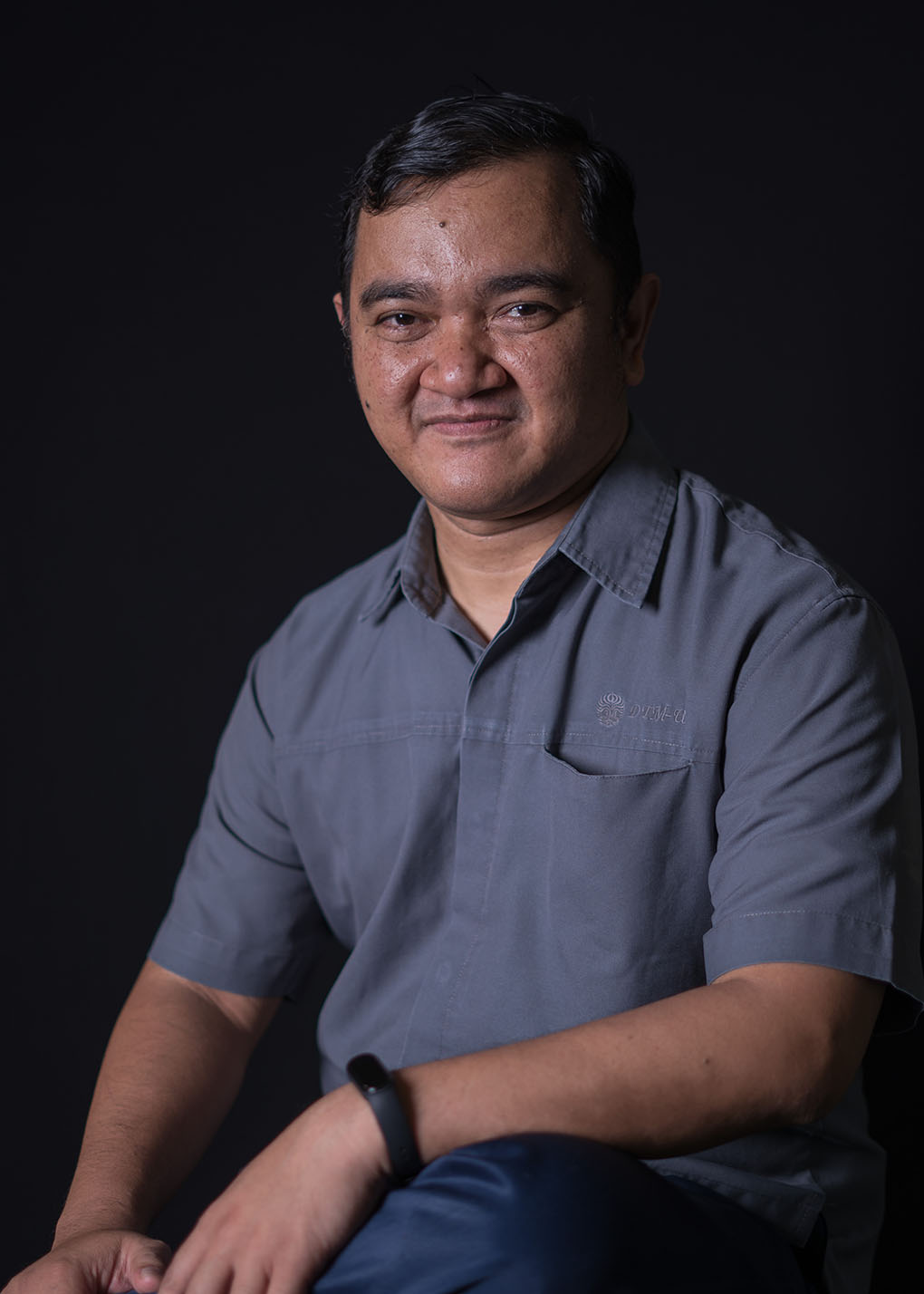
Prof. Dr. Ario Sunar Baskoro, ST, MT, M.Eng
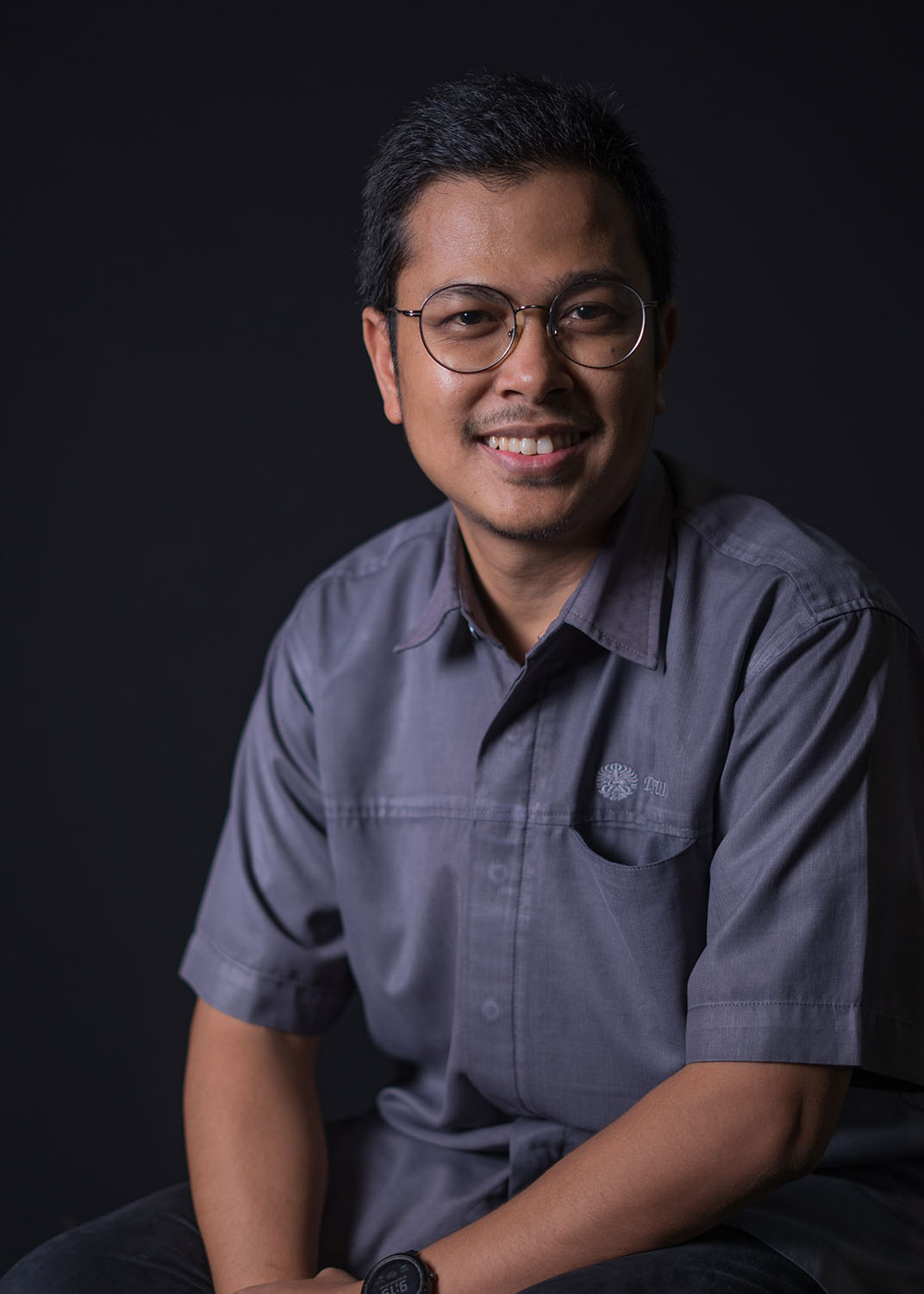
Dr.-Eng. Arnas, S.T., M.T.
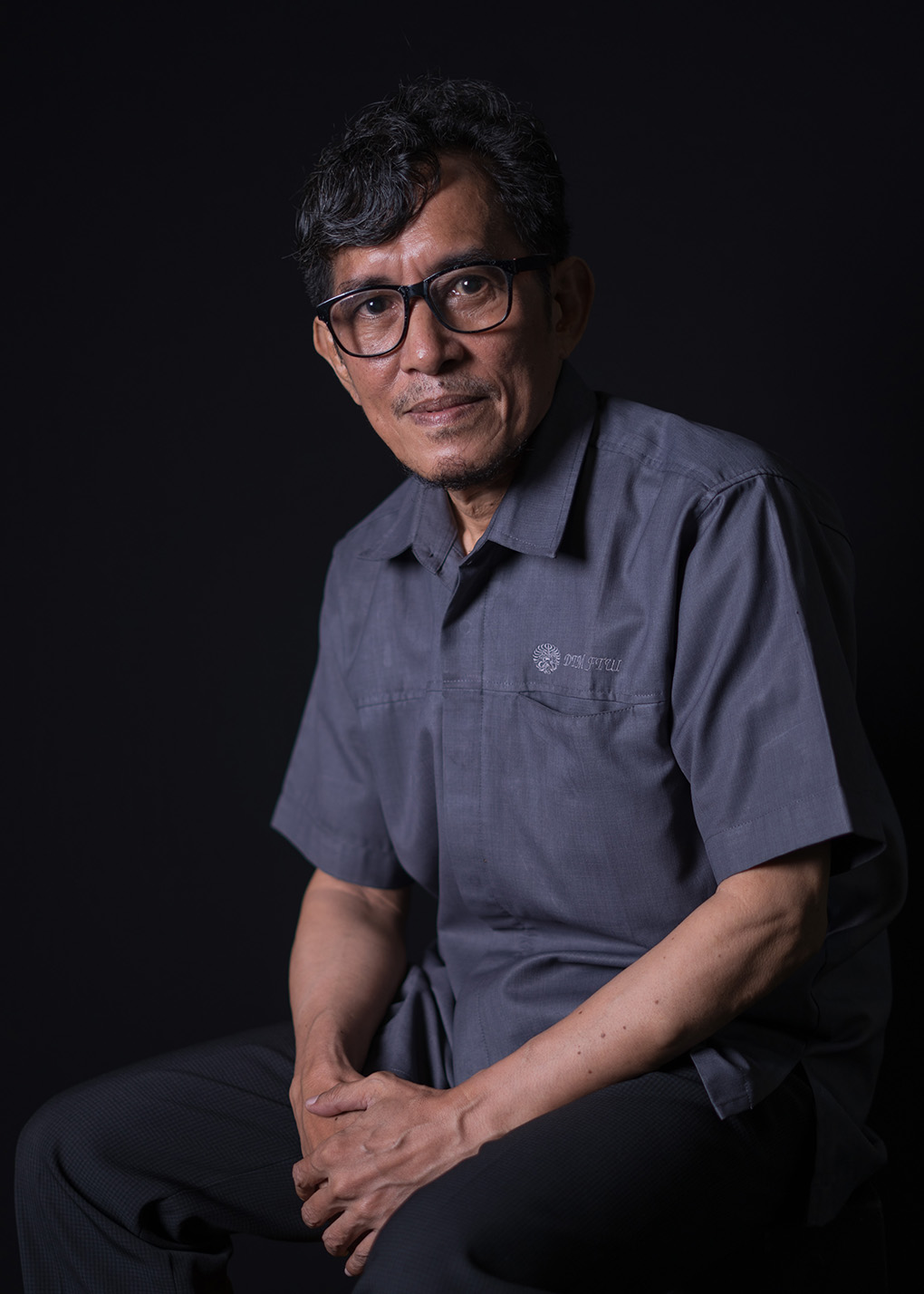
Prof. Dr. Ir. Engkos A. Kosasih, M.T.
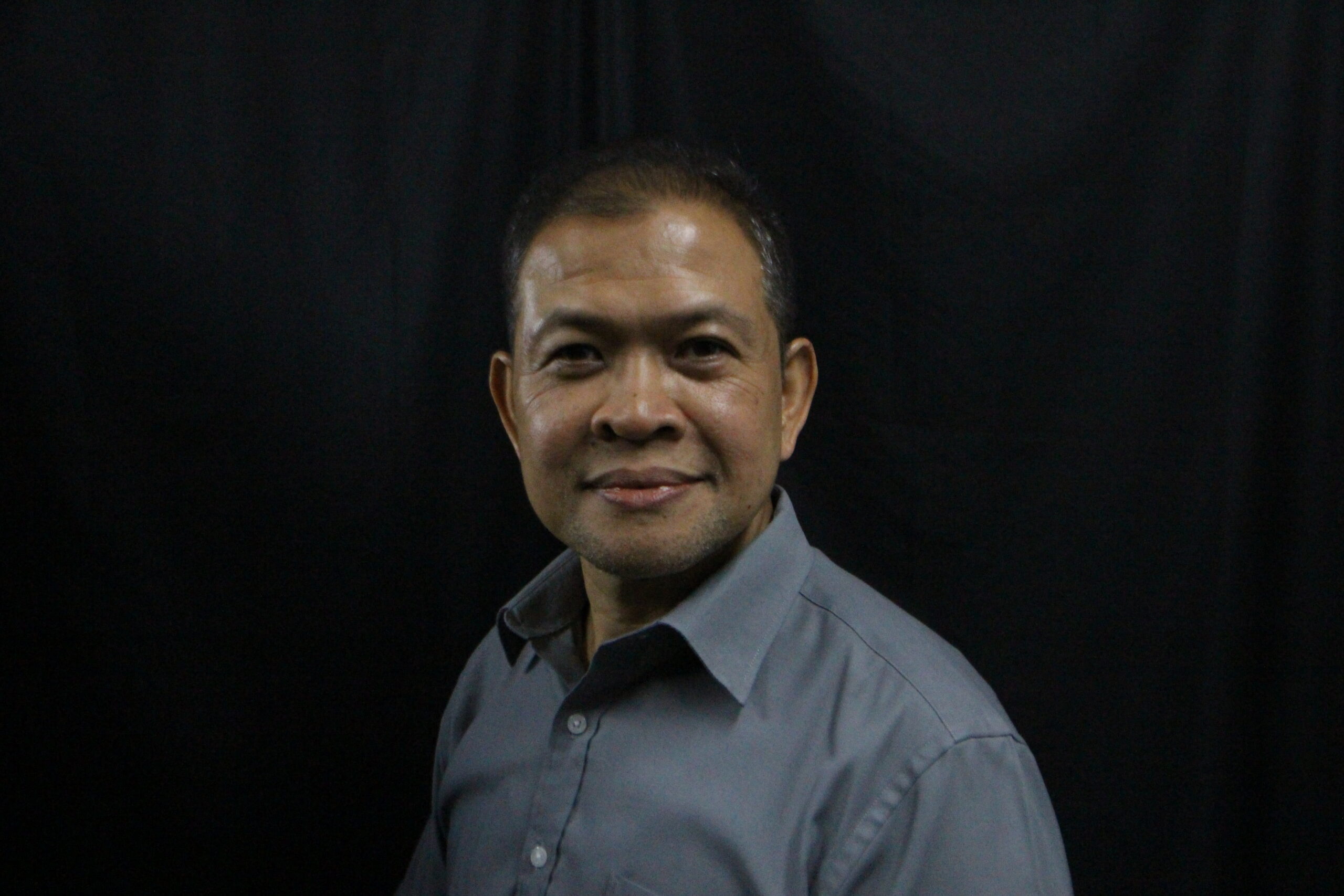
Prof.Dr.Ir.Gandjar Kiswanto,M.Eng.
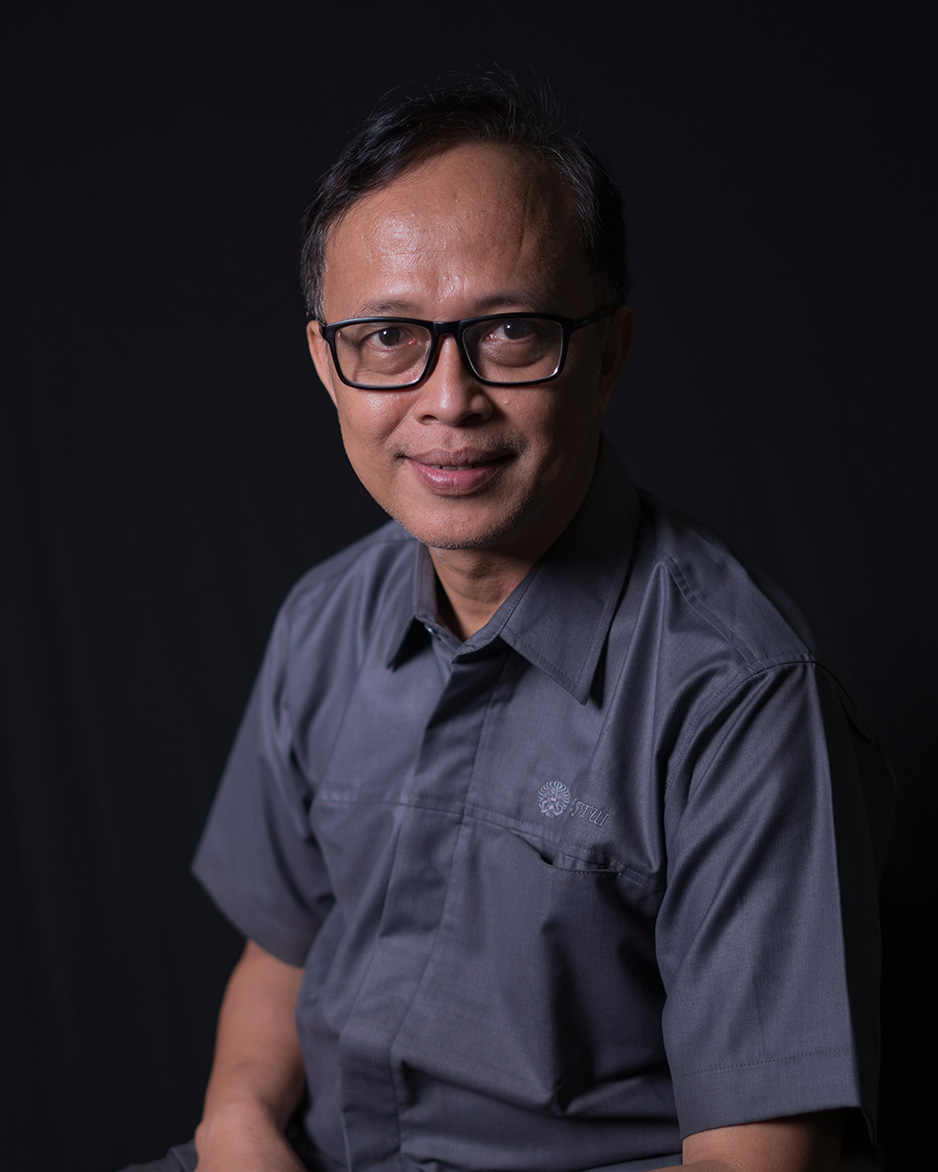
Prof. Dr. Ir. Harinaldi, M.Eng
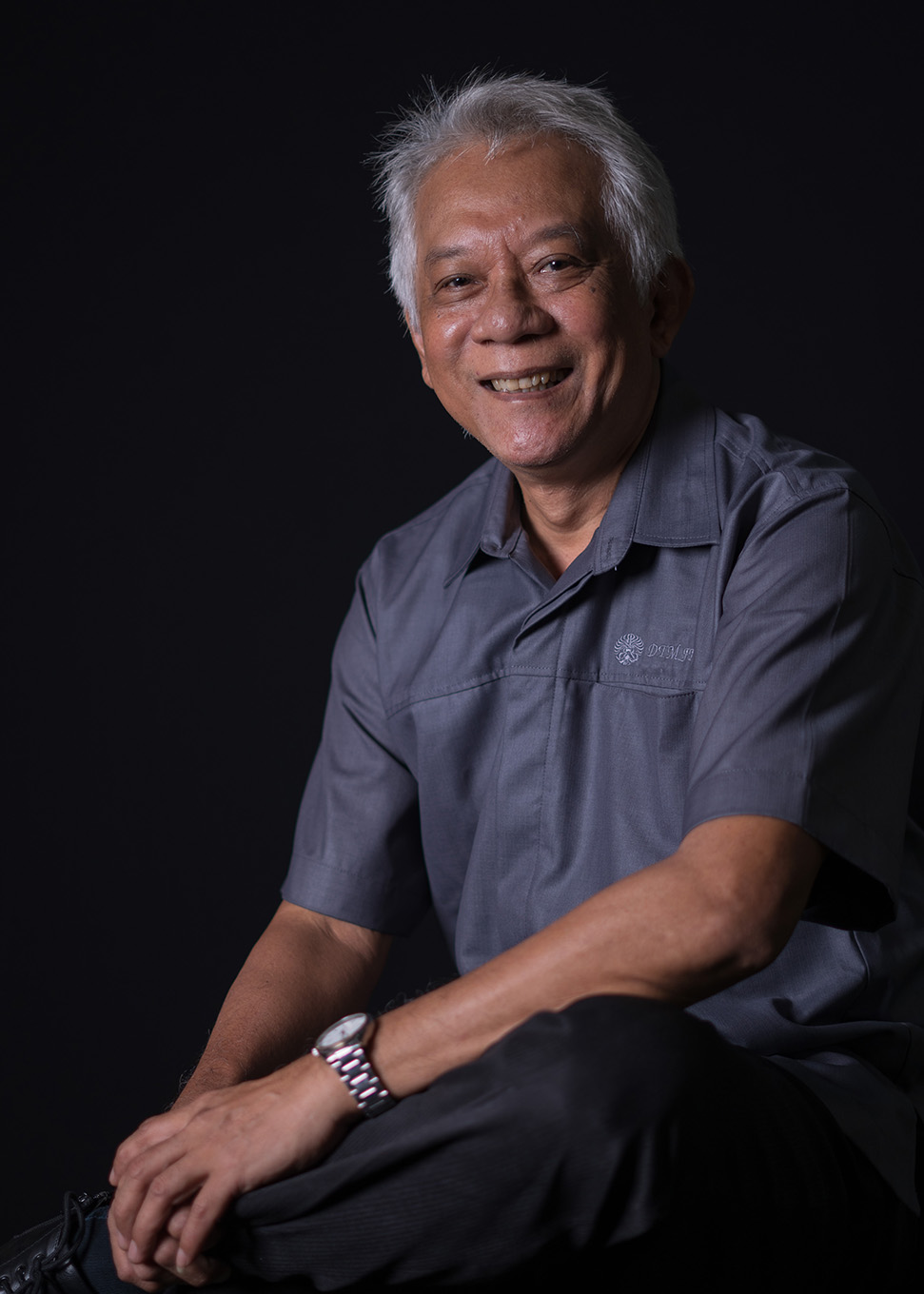
Prof. Dr. Ir. Hendri D.S. Budiono, M. Eng
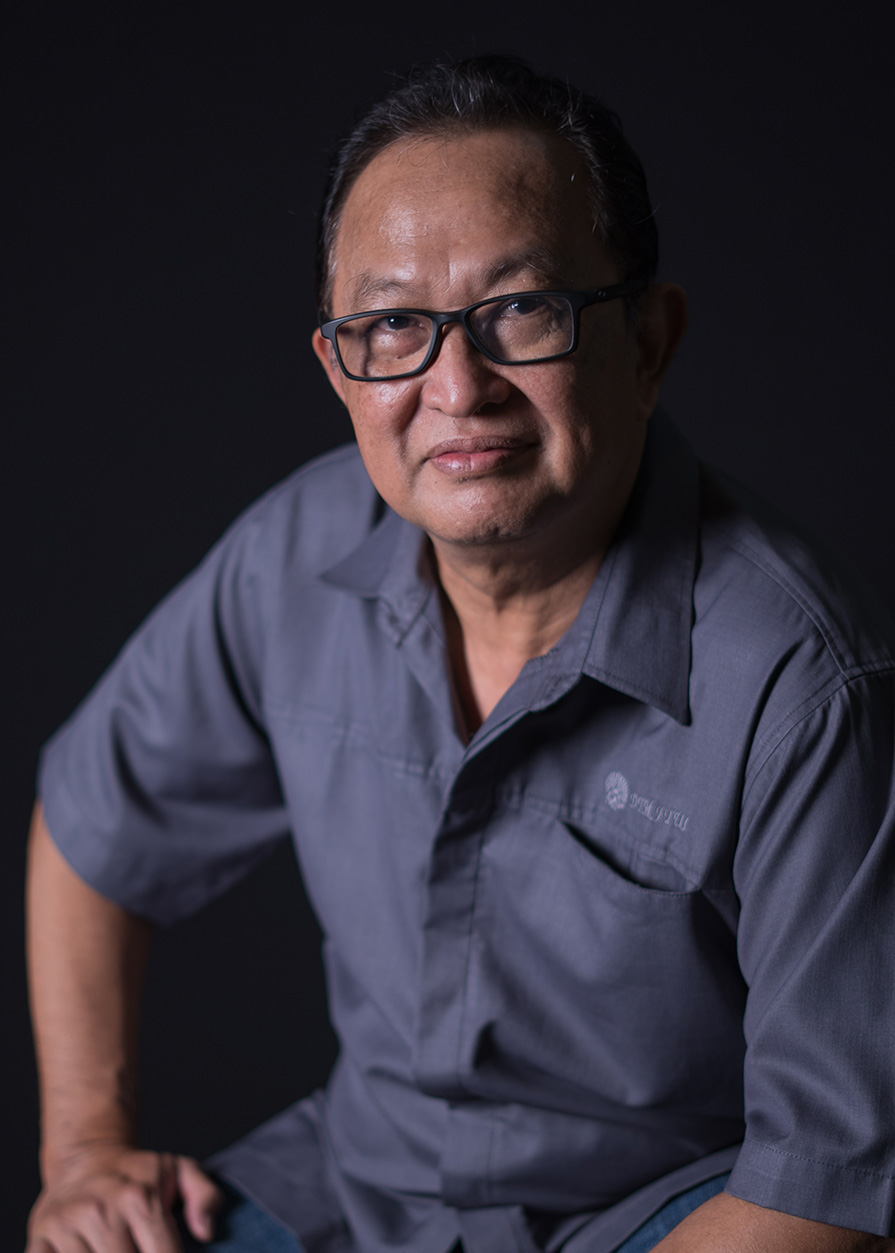
Dr. Ir. Henky Suskito Nugroho, M.T.
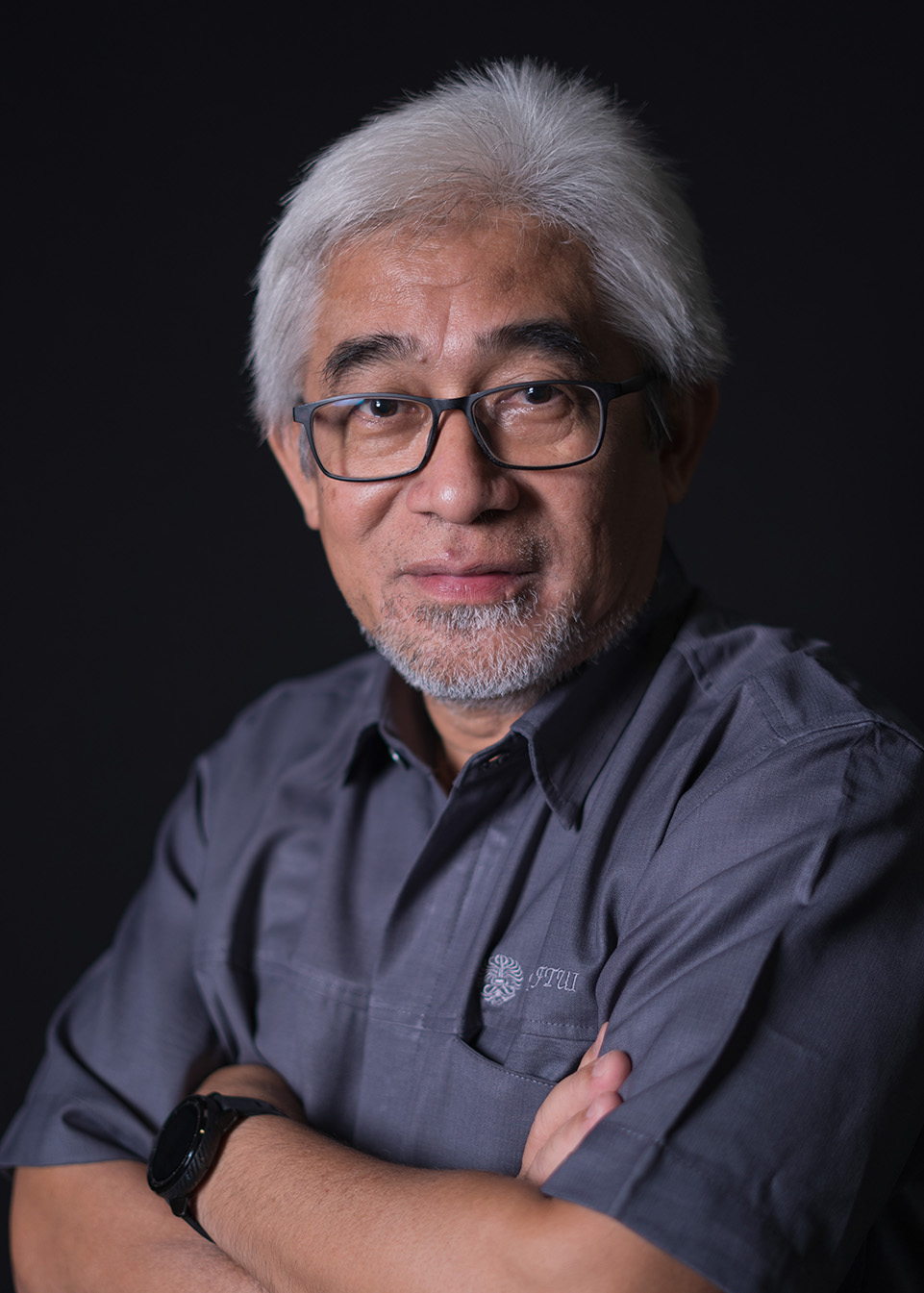
Prof. Dr. Ir. Imansyah Ibnu Hakim, M.Eng
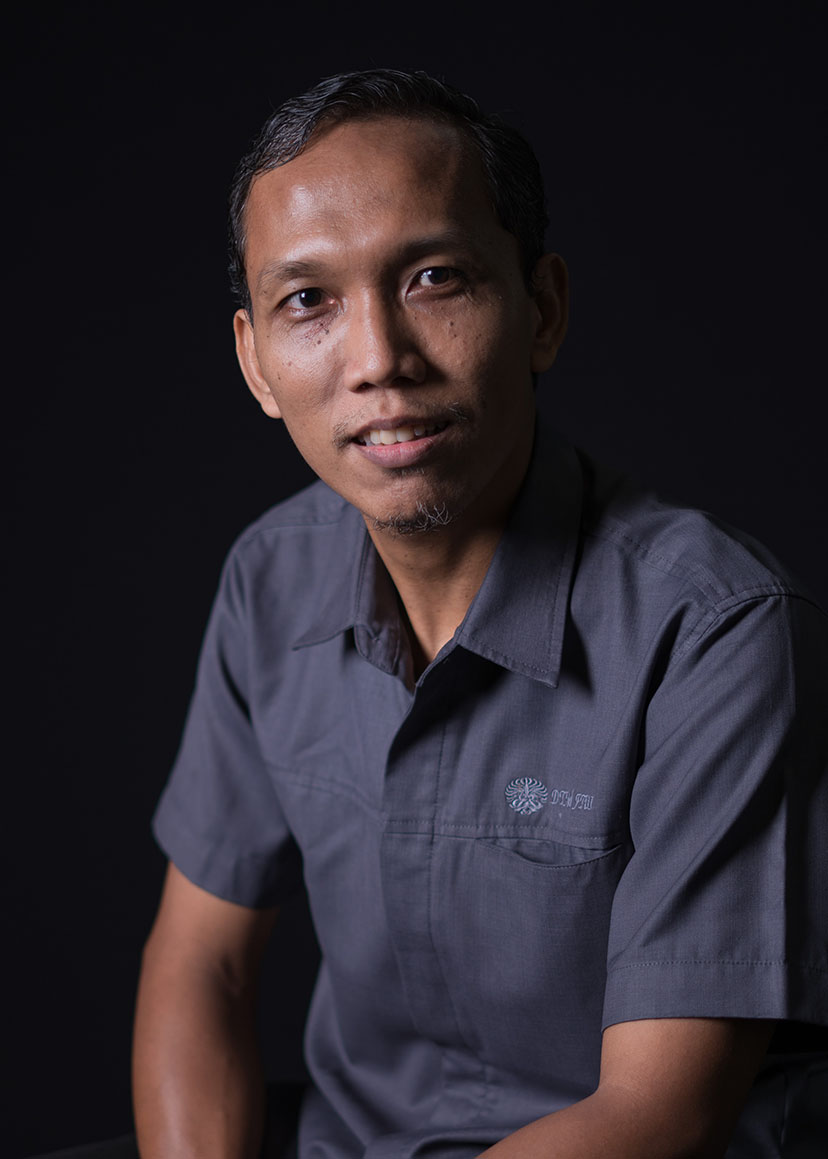
Jos Istiyanto, S.T., M.T., Ph.D.
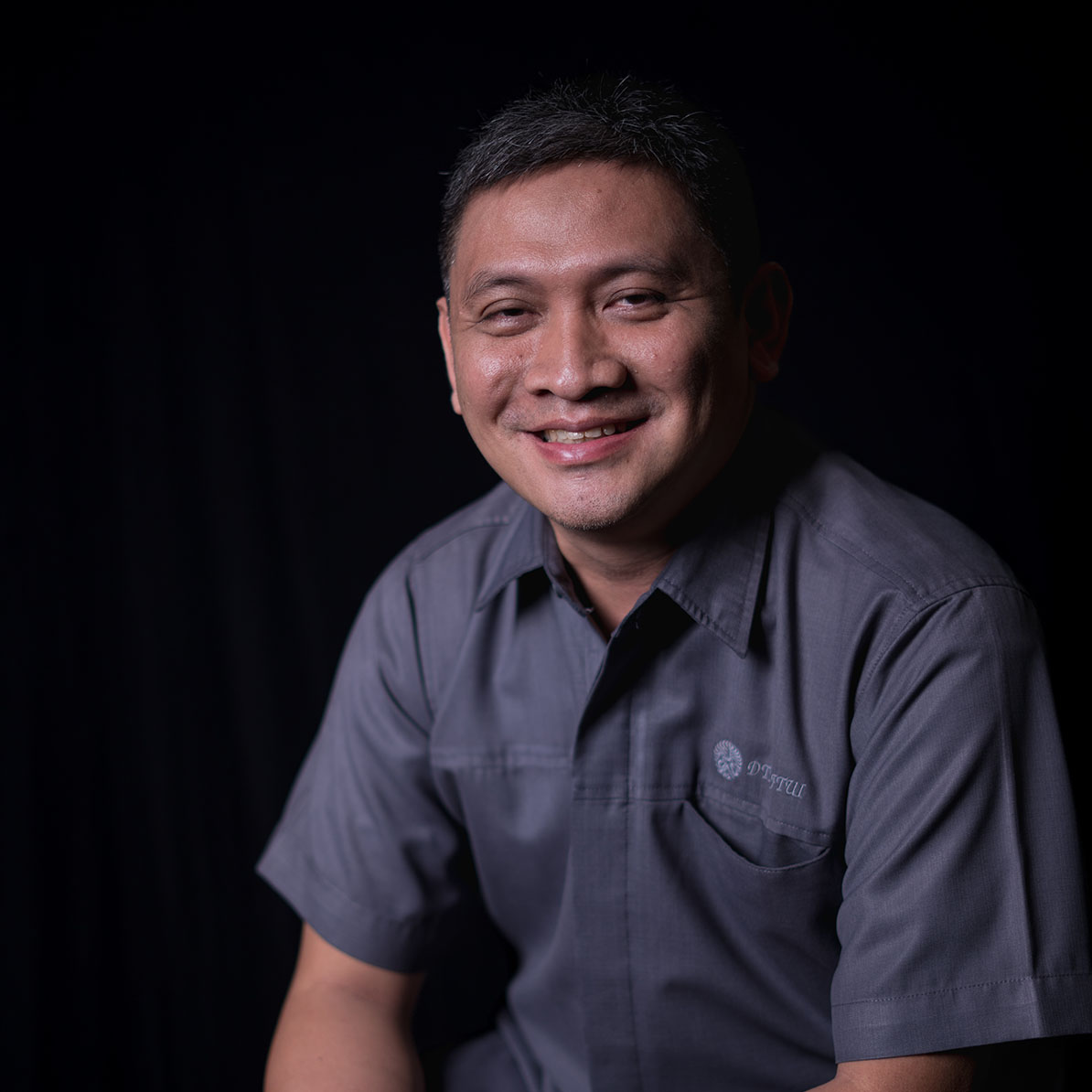
Dr.-Ing. Mohammad Adhitya, S.T., M.Sc.
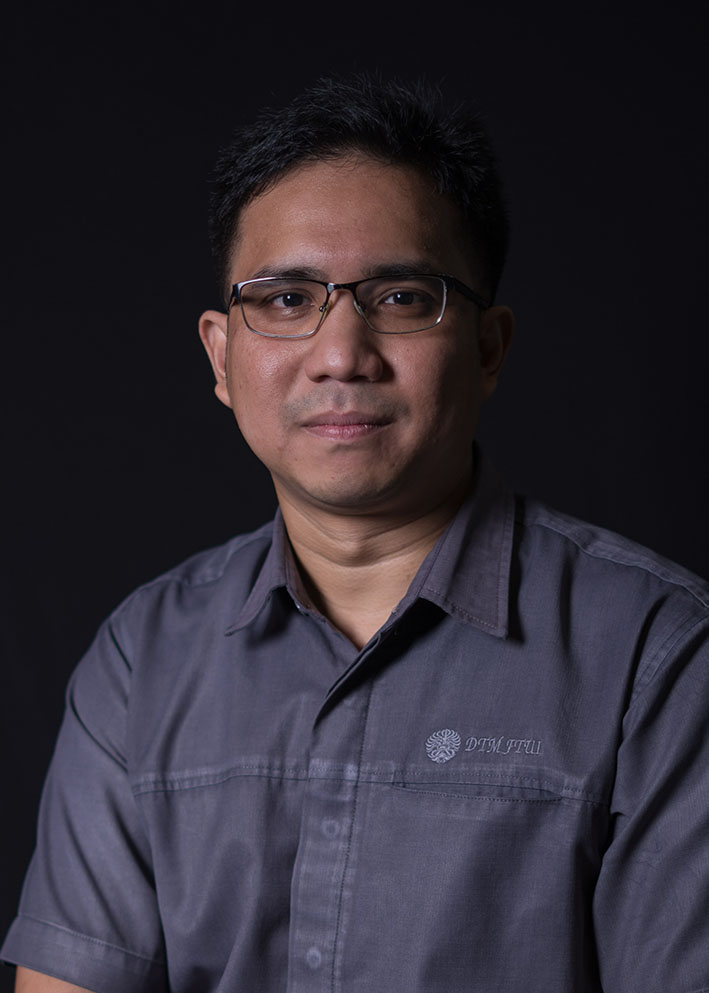
Muhammad Agung Santoso, S.T., M.T. Ph.D
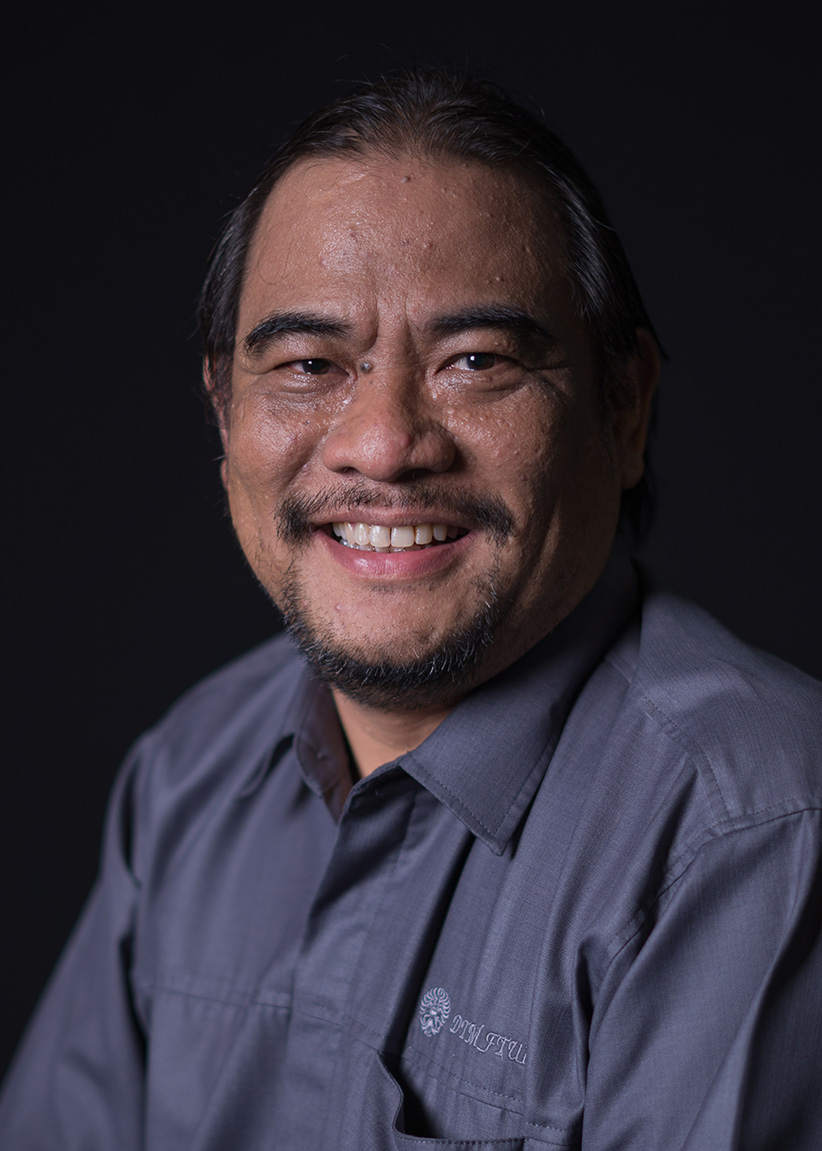
Prof. Dr-Ing. Nandy Setiadi Djaya Putra
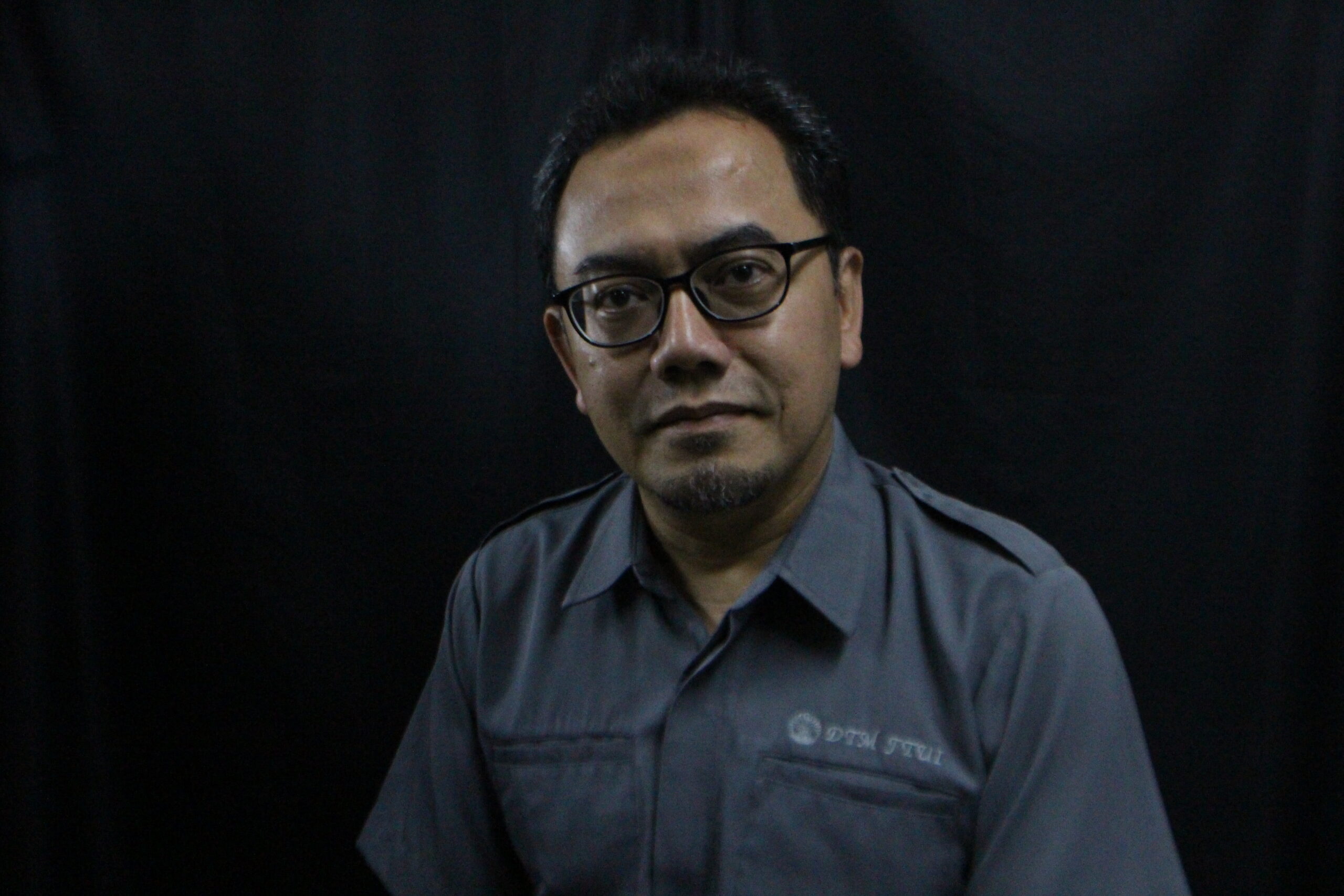
Prof. Dr-Ing.Ir. Nasruddin, M. Eng
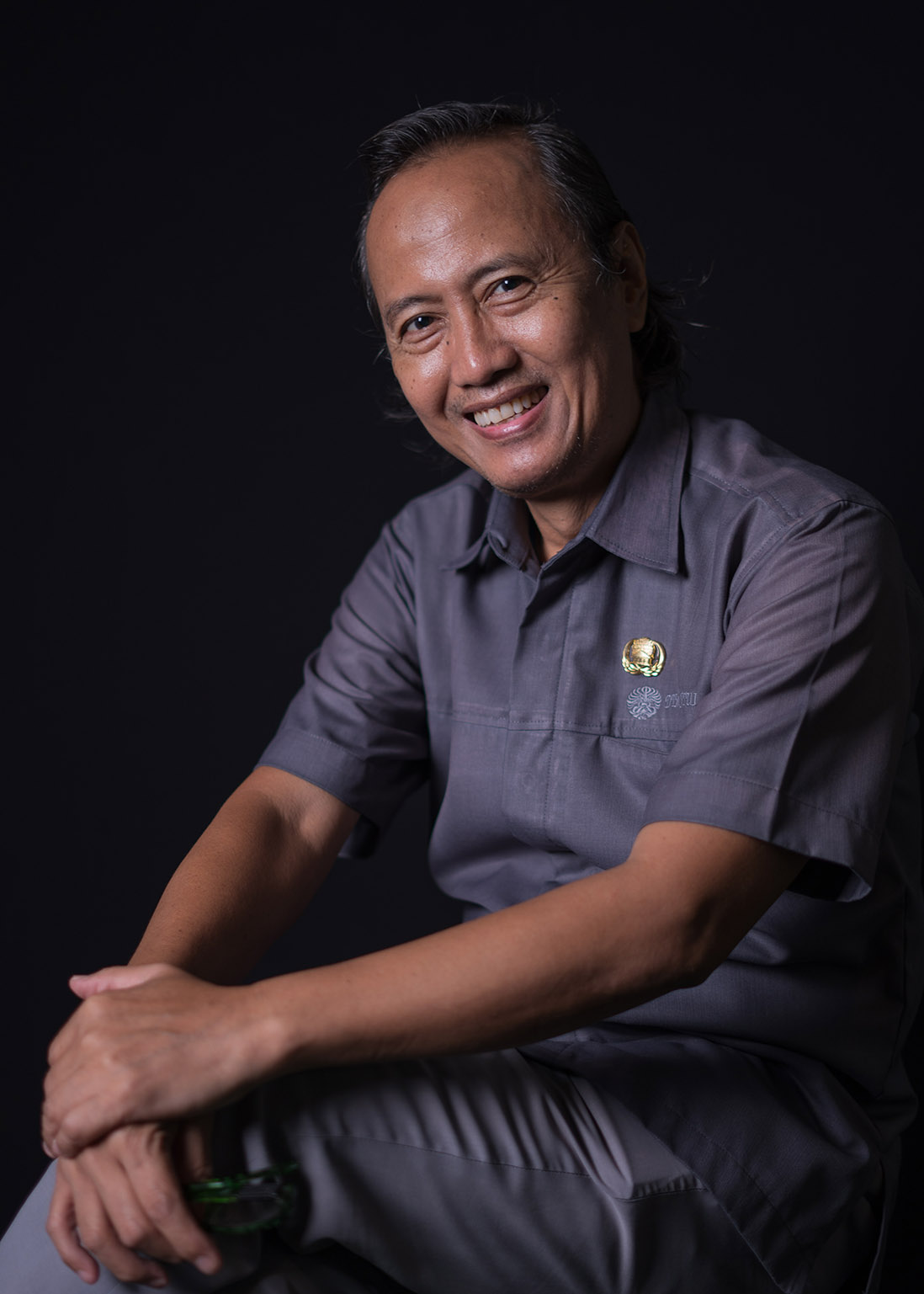
Prof. Dr. R. Danardono A.Sumarsono, DEA, PE.
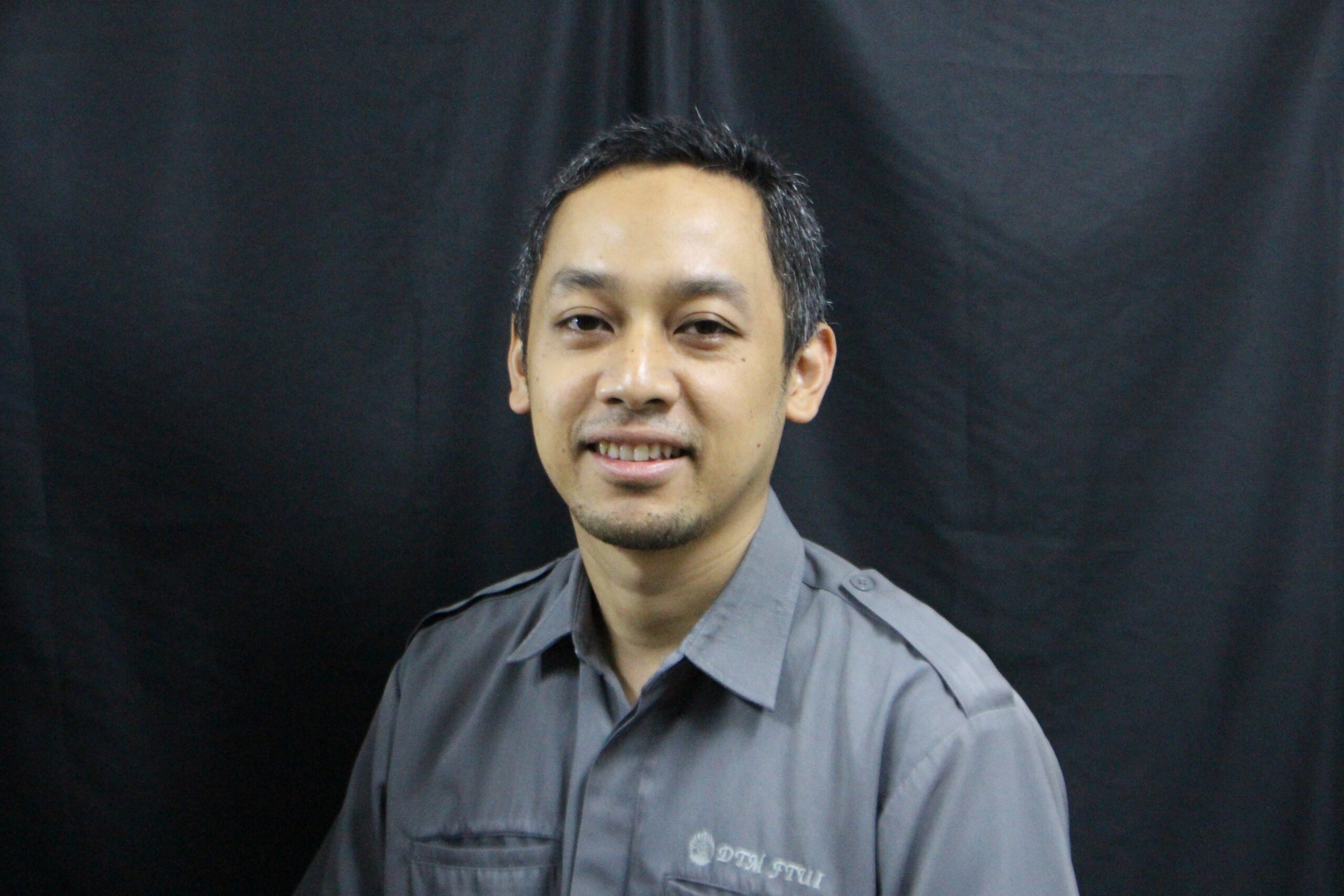
Dr. Eng. Radon Dhelika
Rendi Kurniawan, S.T., M.S.Eng., Ph.D.
Profile details not yet available.
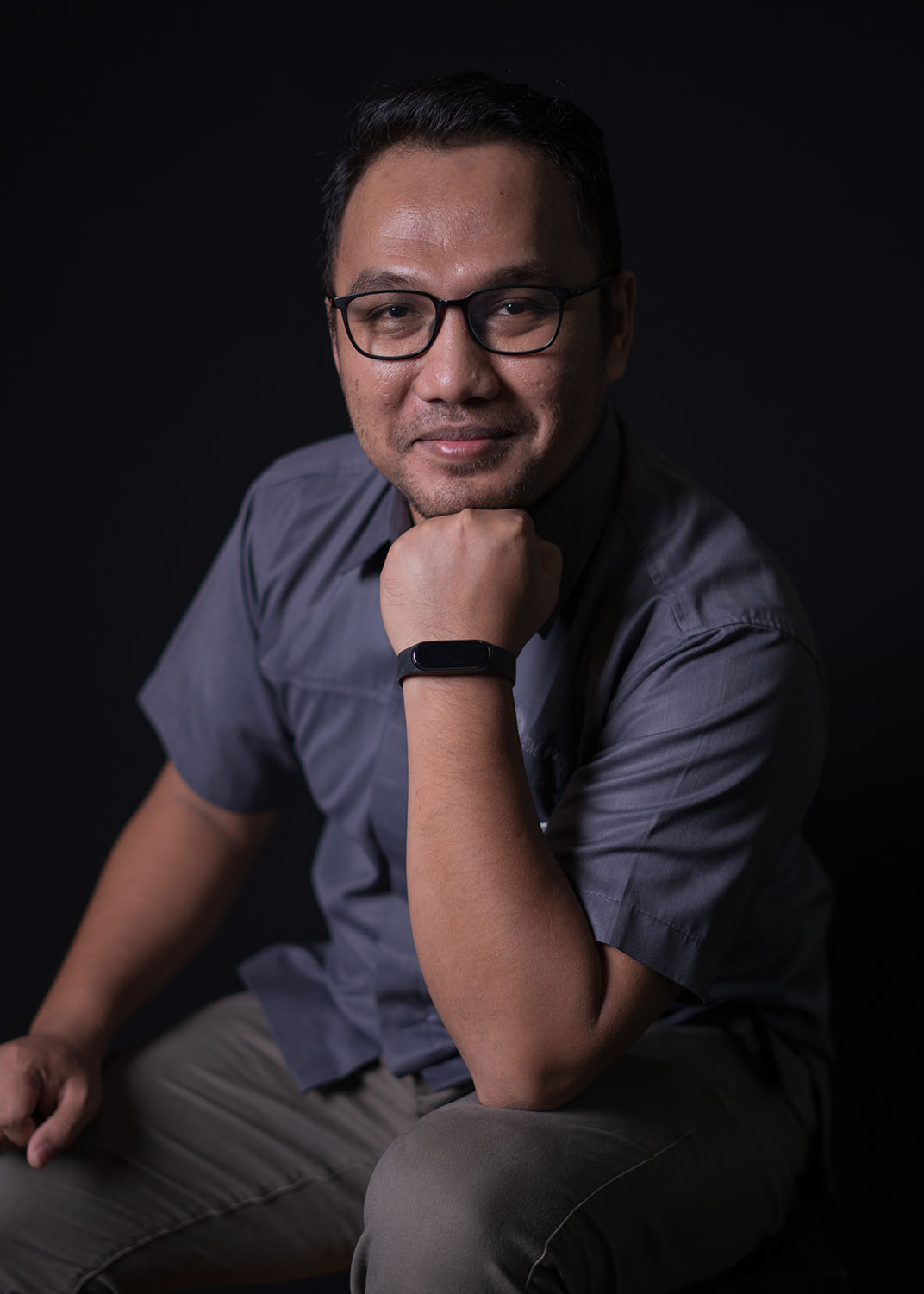
Dr.-Ing. Ridho Irwansyah, S.T., M.T.
Dr. Eng. Sholahudin, S.T., M.Sc.
Profile details not yet available.
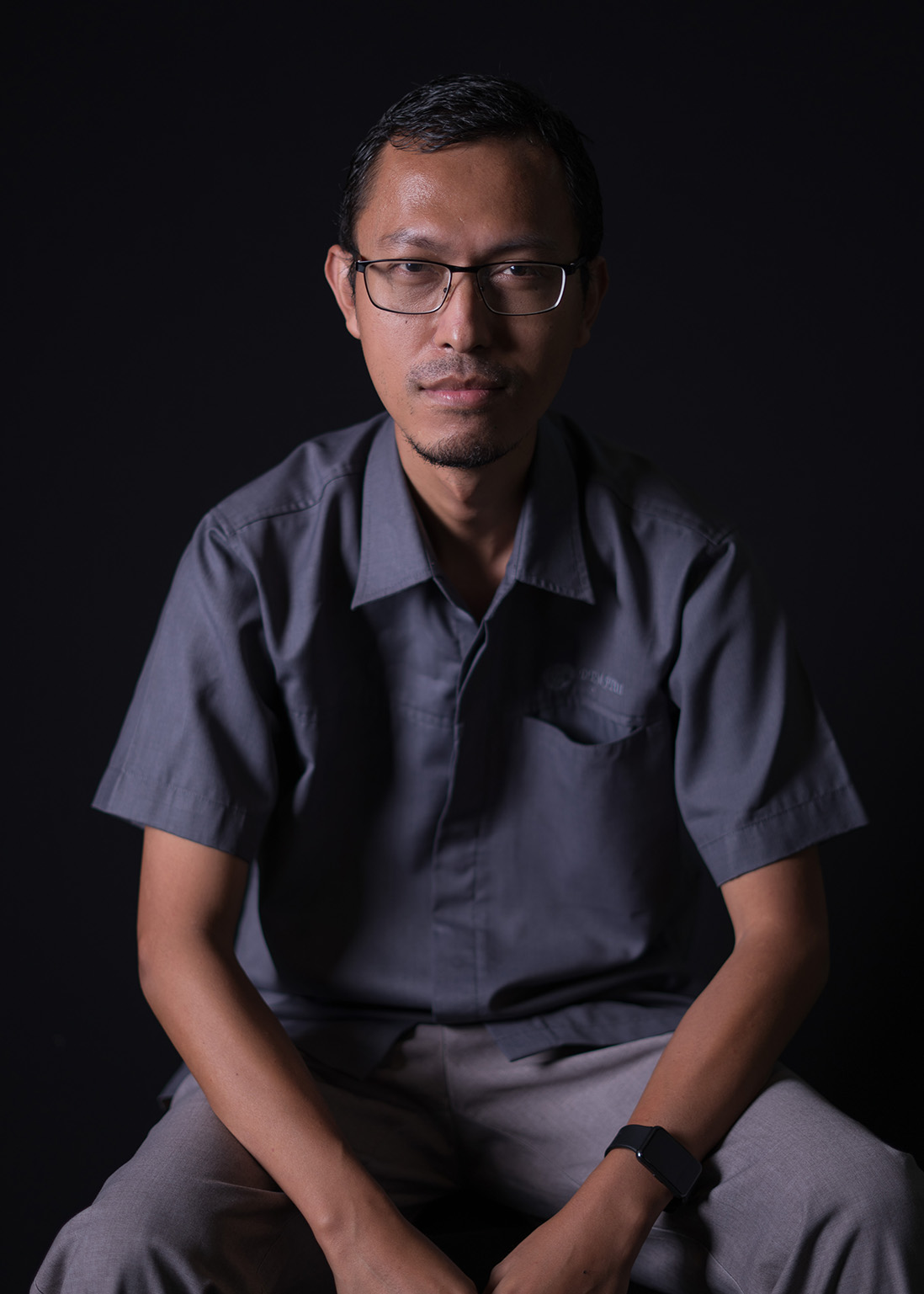
Prof. Sugeng Supriadi, ST., M.S.Eng., Ph.
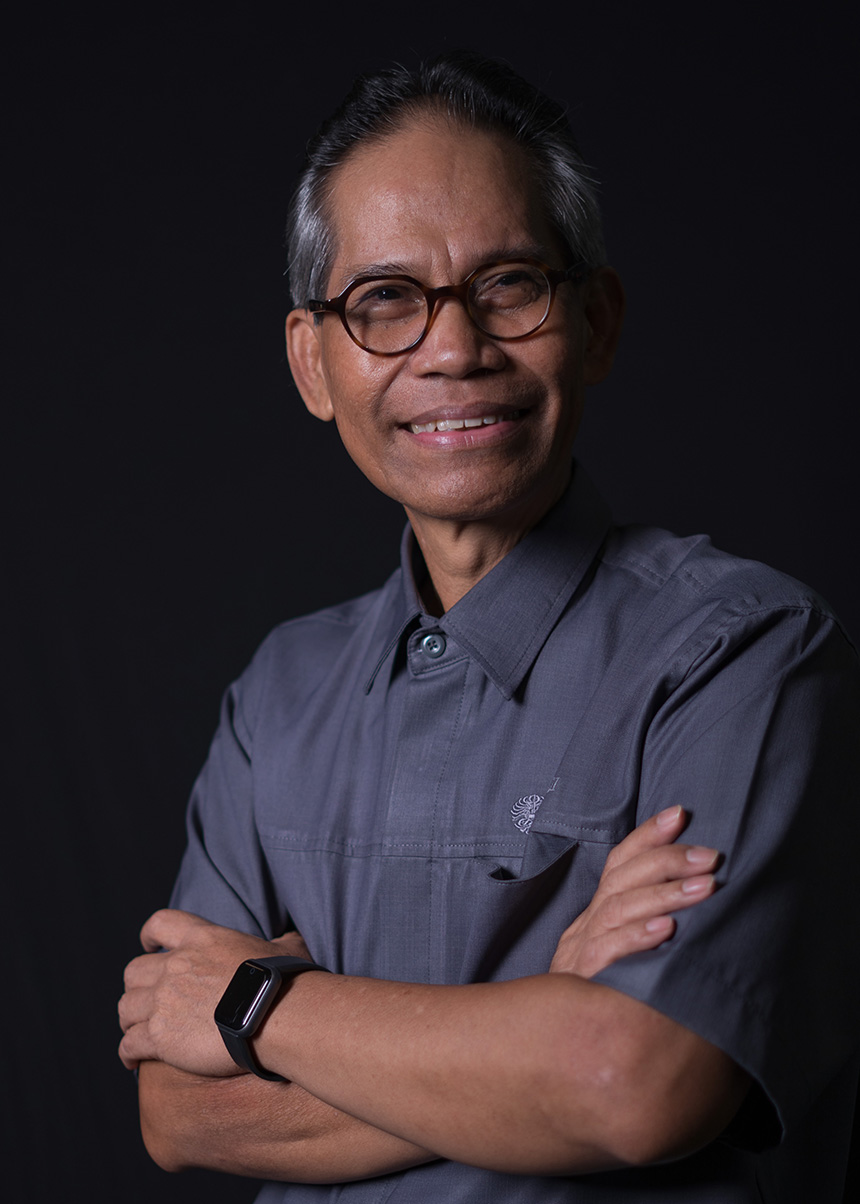
Prof.Dr. Ir. Tresna Priyana Soemardi, SE.MS.IPM.AER.
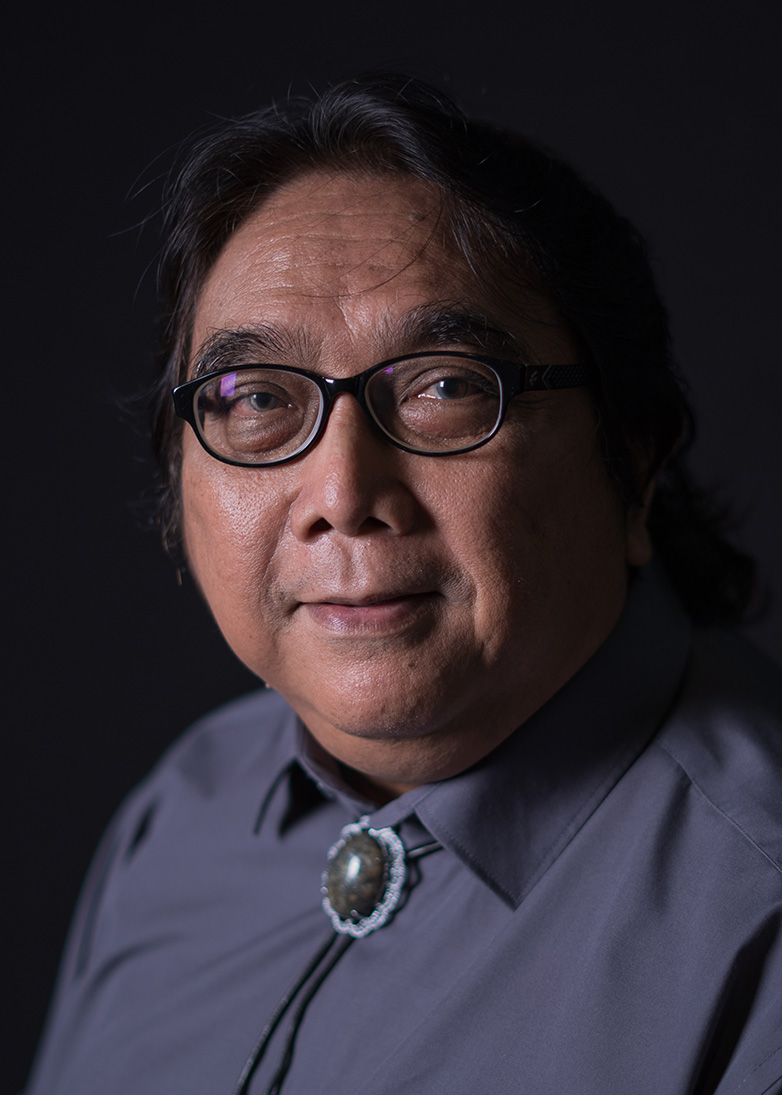
Prof. Wahyu Nirbito
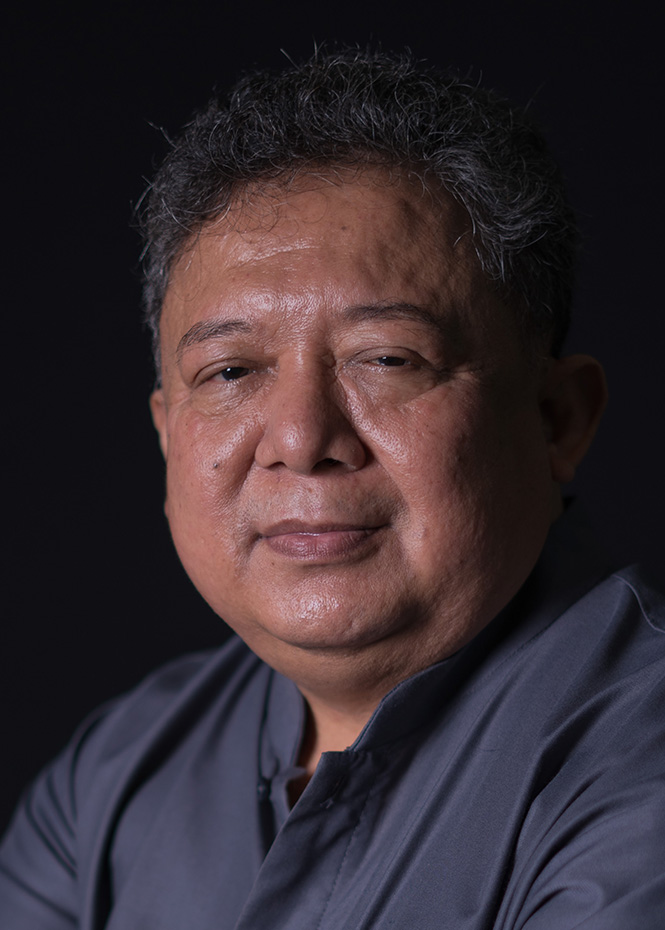
Prof. Dr. Ir. Warjito, M.Sc, Ph.D.
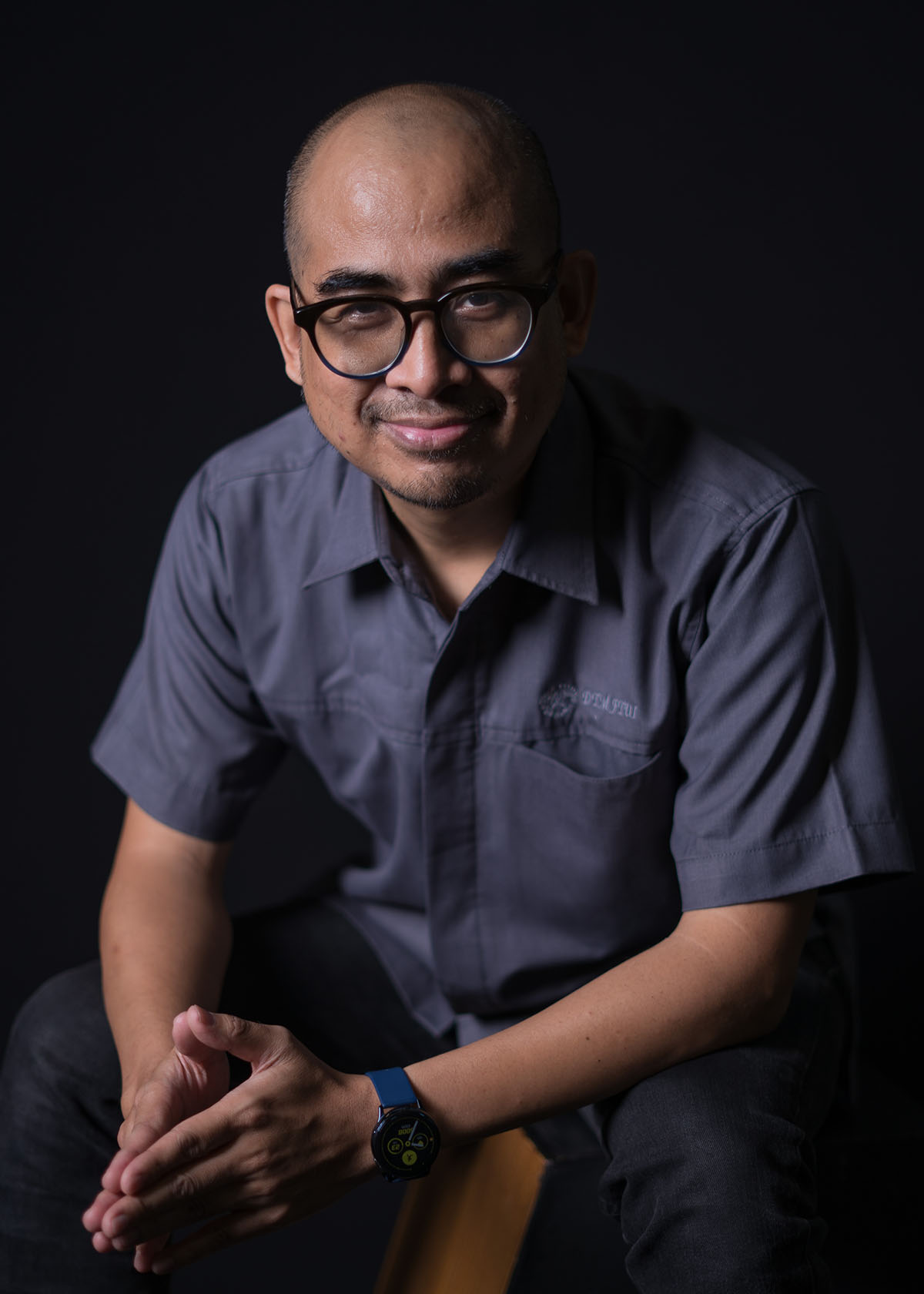
Prof. Dr. Yudan Whulanza, S.T., MSc.
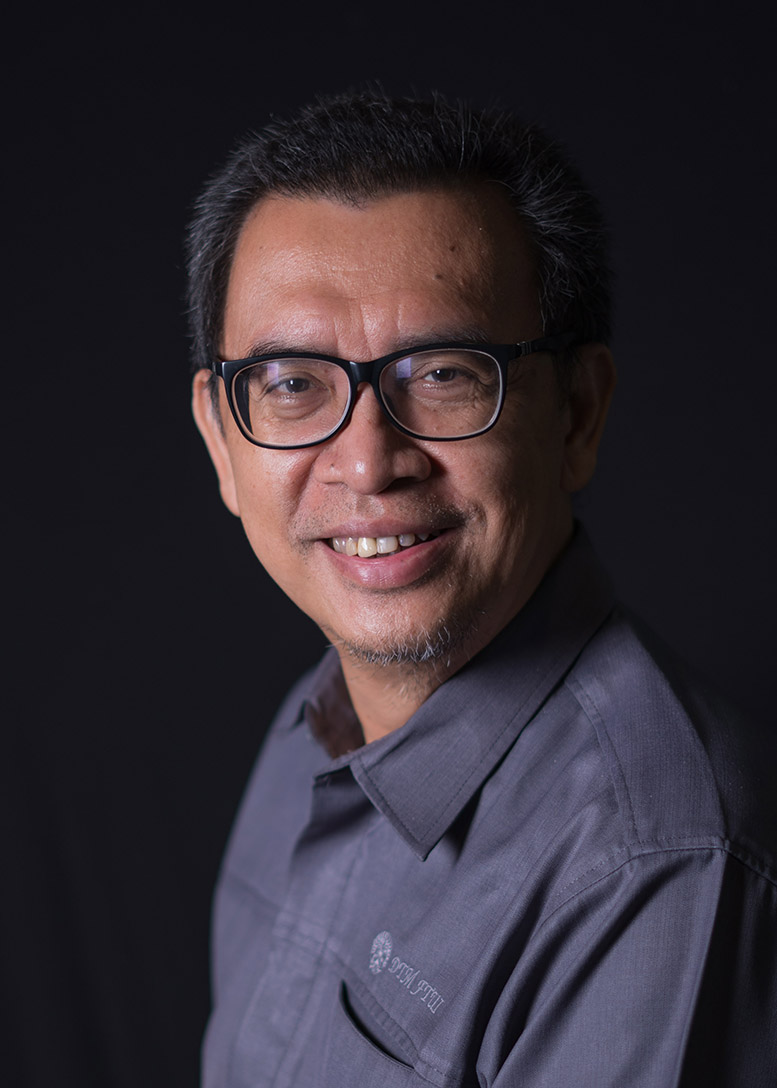
Prof. Ir.Yulianto S. Nugroho, M.Sc.,Ph.D
Prof. Dr. Ir. Bambang Suryawan, M.T.
EmeritusProfile details not yet available.
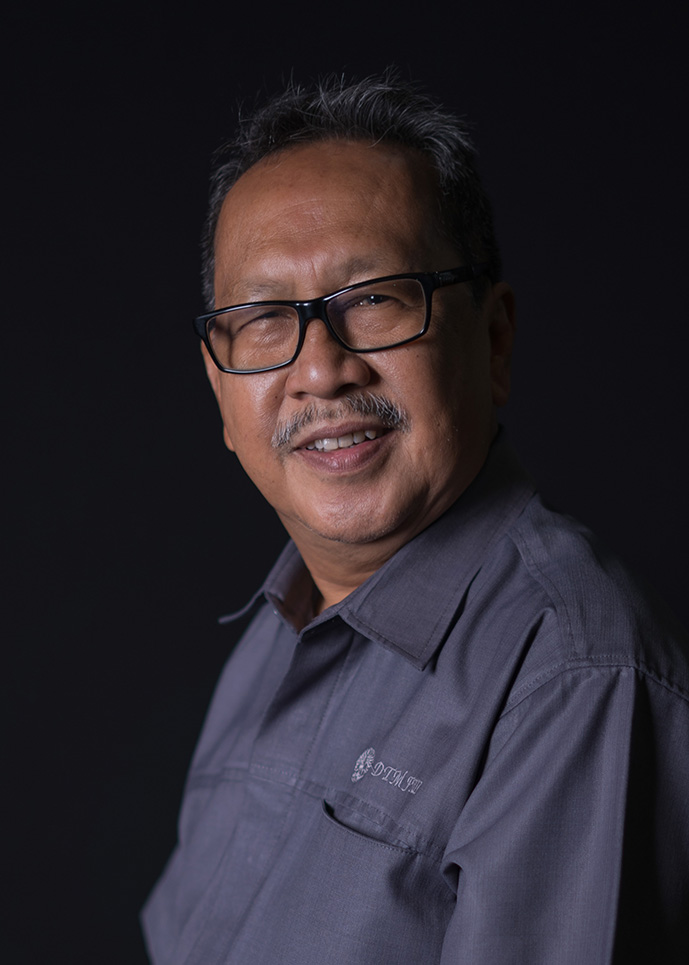
Prof. Dr. Ir. Budiarso, M.Eng.
EmeritusDr. Ir. Budihardjo, Dipl.-Ing.
EmeritusProfile details not yet available.
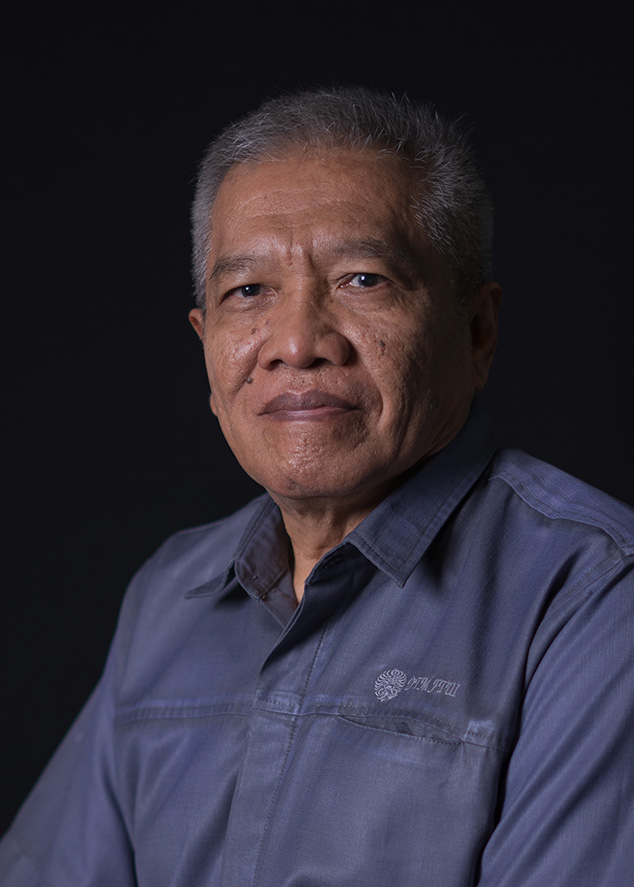
Dr. Ir. Gatot Prayogo, M.Eng.
EmeritusProf. Dr. Ir. I Made Kartika Dhiputra, Dipl.-Ing.
EmeritusProfile details not yet available.
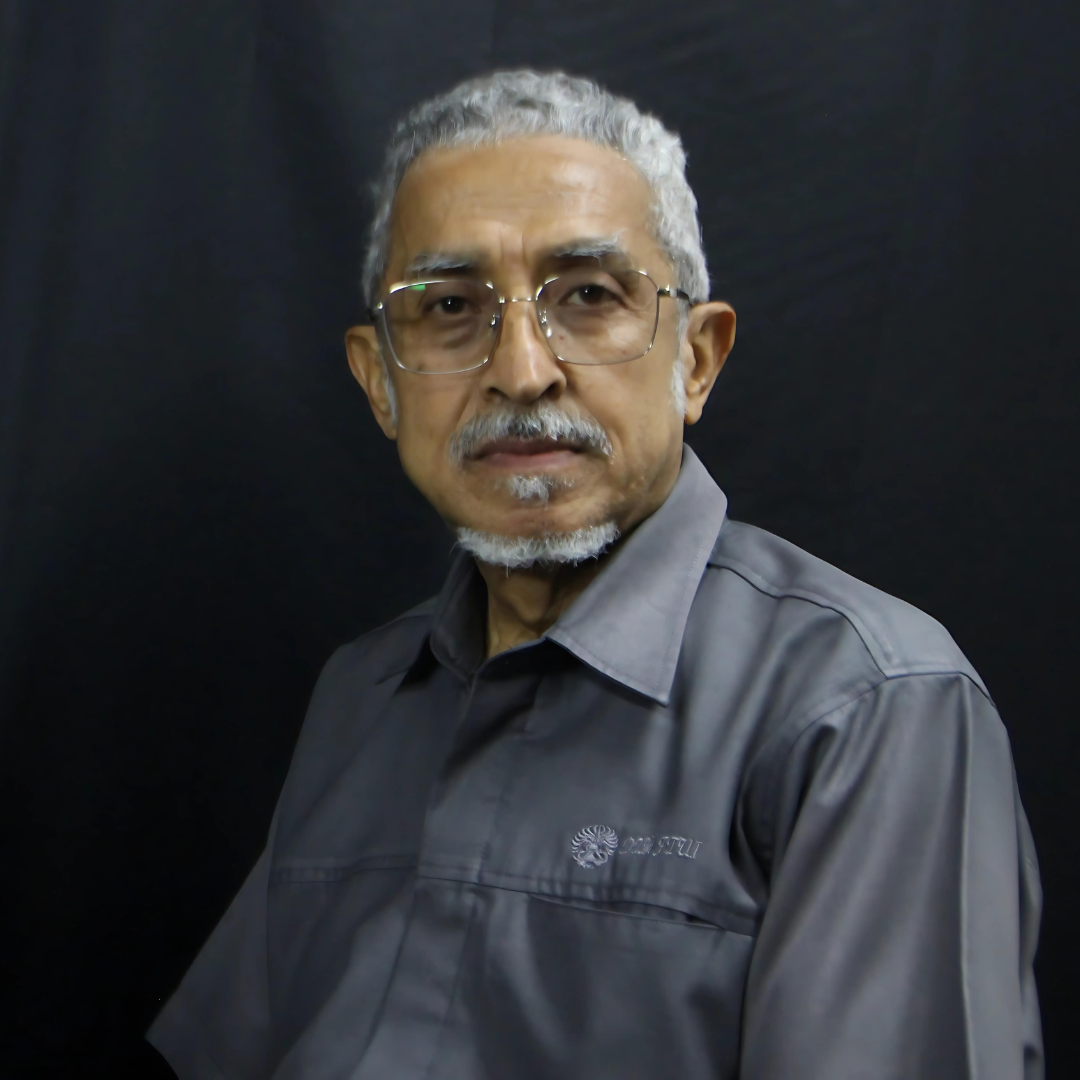
Prof. Dr. Ir. M. Idrus Alhamid
Emeritus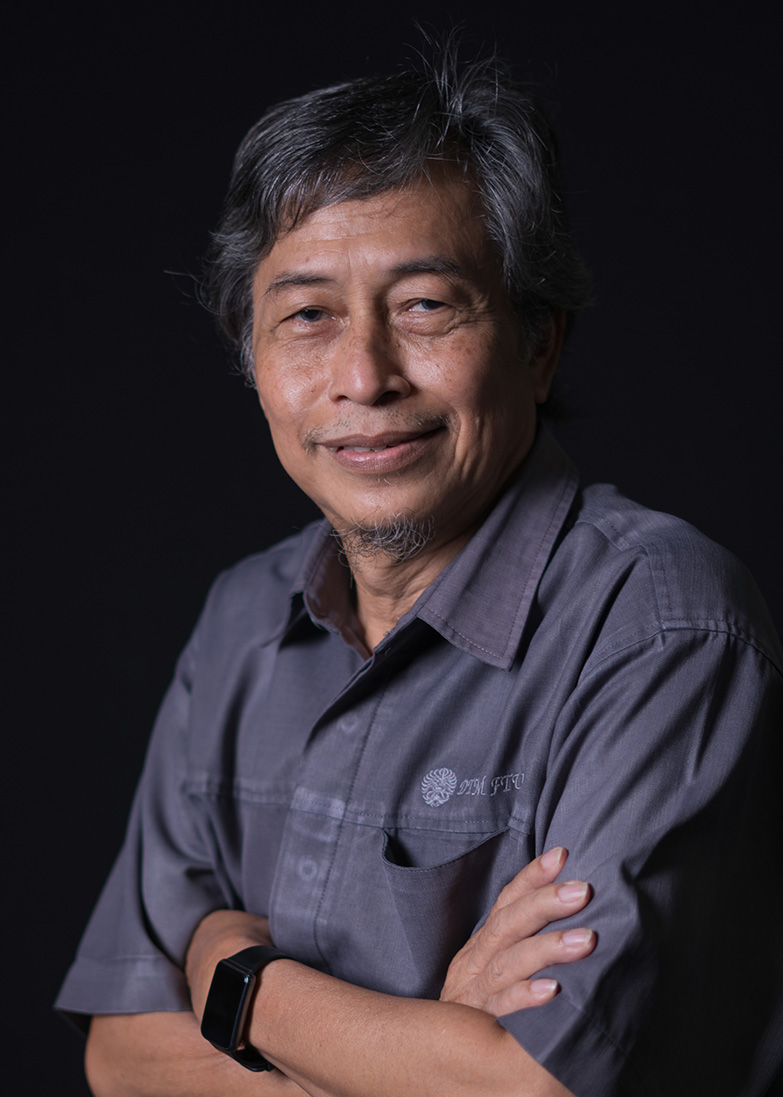
Prof. Dr. Ir. Raldi Artono Koestoer, DEA.
Emeritus
Support Staff
Administrative & Technical Staff

Feri Ferdiansyah
Laboratory Technician feryferdiansyah87@yahoo.com
Hasan
General Affairs aldihsn@yahoo.com
Indah Yuliastiningsih, AMd
Finance indah_dtm@eng.ui.ac.id
Mad Yasin
Laboratory Technician yasin_sentul@yahoo.com
Maryani
Academic Administration maryani@eng.ui.ac.id
Miftaa Hurrahmah
Academic Administration maryani@eng.ui.ac.id
Nurul Palaq, AMd
Information Technology nfalaq@eng.ui.ac.id
Saidah Ahmad, SE
Academic Administration saidah@eng.ui.ac.id